
News
Advertisement

Advertisement
Advertisement
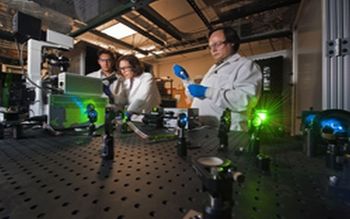
Researchers at Sandia National Laboratories have developed a super-resolution microscopy technique that is answering long-held questions about exactly how and why a cells defenses fail against some invaders, such as plague, while successfully fending off others like E.coli. The approach is revealing never-before-seen detail of the cell membrane, which could open doors to new diagnostic, prevention and treatment techniques.
Advertisement


Advertisement
Advertisement
Trending on Infection Control Today
1
What Is Trichophyton indotineae? Drug-Resistant Ringworm Spreads to 29 Countries
2
ICT Weekly Rounds – September 17, 2026: RIngworm, Measles, Ebola Updates
3
Infection Control Today Launches First Digital Magazine for Infection Prevention Professionals
4
National EVS Week 2026: Why Environmental Services Is Essential to Infection Prevention and Patient Safety
5