
News
Advertisement

Advertisement
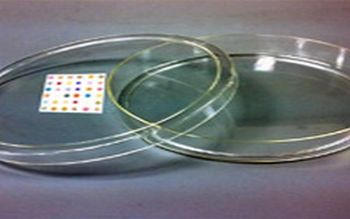
Bacterial infections really stink. And that could be the key to a fast diagnosis. Researchers have demonstrated a quick, simple method to identify infectious bacteria by smell using a low-cost array of printed pigments as a chemical sensor. Led by University of Illinois chemistry professor Ken Suslick, the team published its results in the Journal of the American Chemical Society.
Advertisement


Advertisement
Advertisement
Trending on Infection Control Today
1
What Is Trichophyton indotineae? Drug-Resistant Ringworm Spreads to 29 Countries
2
ICT Weekly Rounds – September 17, 2026: RIngworm, Measles, Ebola Updates
3
Infection Control Today Launches First Digital Magazine for Infection Prevention Professionals
4
National EVS Week 2026: Why Environmental Services Is Essential to Infection Prevention and Patient Safety
5