

Environmental Services
Latest News
Advertisement
Latest Videos


CME Content


Advertisement
More News

As hospitals search for new ways to reduce environmental bioburden, copper-embedded textiles are emerging as a promising tool. In this second installment of ICT's recent panel discussion, experts described how these soft, everyday fabrics can rapidly kill microbes, sustain their effectiveness between washes, and strengthen infection control bundles across care settings.
From hospital beds to privacy curtains, textiles may be one of the most underestimated contributors to health care-associated infections, according to experts who say these everyday items deserve far more attention in prevention bundles.

Much is discussed about stethoscopes, the "third arm" of clinicians, but what about the risk of spreading health care-associated infections?
Oman is earning international attention for transforming hospital environmental hygiene into a national success story. Through the Clean Hospitals initiative, updated cleaning contracts, and workforce training, the Ministry of Health is showing how a unified approach to cleaning, auditing, and accountability can reduce infection risk and raise global standards in health care hygiene.
Sherrie is back! In this The Clean Bite, she discusses single-use vs Resusable Dental Supplies. Ultrasonic scaler tips, burs, and endodontic files are often reused despite being marketed as single-use. How many patients are at risk from shortcuts in reprocessing?

"Hospital tray lines operate at high speed to feed hundreds of patients daily. Staff members plate food, cover trays, and load them onto mobile carts that navigate elevators, hallways, and patient rooms. Each of these steps introduces opportunities for contamination."
Hidden in plain sight, cubicle curtains are among healthcare’s most-touched—and least regulated—surfaces. Vague “change when soiled” guidance leaves dangerous gaps, as dusty mesh headers and inconsistent replacement cycles quietly seed transmission, underscoring the need for quarterly, trackable swaps and evidence-based standards.

What do schools need to prevent the spread of infectious diseases? Infection prevention experts and school staff in Nebraska present their collaboration at IDWeek2025.
Crowded waiting rooms can turn routine checkups into transmission hubs. Here’s how outpatient clinics can cut risk, starting at the front door, with smarter cleaning, hand hygiene, masks, and fewer extra visitors.
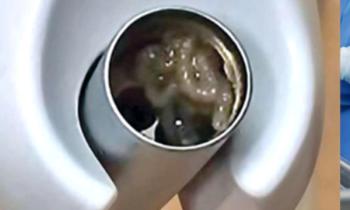
Hey Clean Biters! What’s flowing through your lines? Make DUWL safety automatic: appoint a Safety Officer, write a one-page SOP, treat daily, shock monthly, test quarterly, and document <500 CFU/mL. Grab the log—clean water, every patient, every time.
This is the second of a 2-part conversation with CDC epidemiologist Danielle Rankin, PhD, MPH, CIC. In this installment, she dives into practical infection prevention strategies, surveillance challenges, and the urgent need for mechanism-specific testing as NDM-CRE surges in US health care settings.
This is the first of a 2-part conversation with CDC epidemiologist Danielle Rankin, PhD, MPH, CIC. In this installment, she unpacks her study about the urgent rise of NDM-CRE and what infection preventionists need to know now.
What if there were a new index to reduce exposure risks on high-touch facility surfaces? Read on to learn about one.

Measuring cleaning is not the same as proving disinfection. Infection preventionists must use ATP and fluorescent markers wisely—supporting training, not replacing microbial validation.

Writing an effective Water Management Program for Long Term Care Facilities
Published: | Updated:
Legionnaires’ disease remains a deadly but preventable threat in health care, especially in long-term care. Every facility needs a strong, team-driven water management plan because prevention starts at the tap. This article explains what is needed to write one.

From ultrasound gel safety to high-level disinfection, The Joint Commission’s 2025 surveys are zeroing in on infection prevention hot spots. Are your teams ready?
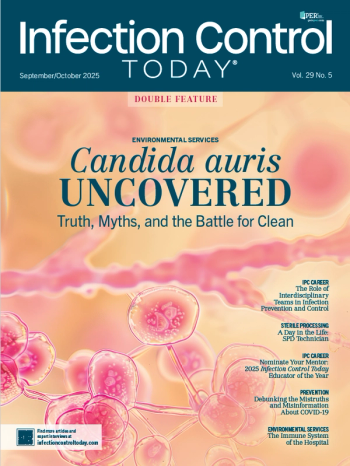
Check out the latest print edition of Infection Control Today: September/October 2025.
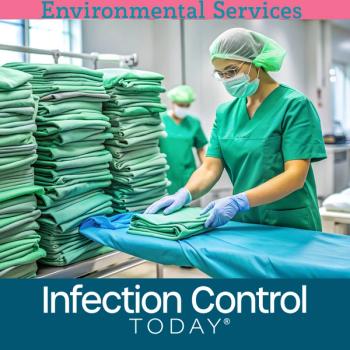
Behind every safe surgery and patient interaction lies a detail often overlooked: clean, properly managed health care textiles. TRSA’s 3-part webinar series brings infection preventionists, administrators, and clinicians the latest best practices, from eliminating the risks of home laundering to ensuring hygienically clean certifications. Now free to access, these sessions offer actionable strategies to strengthen infection control across every facility.

In this installment of Building Bridges in Infection Prevention, what a mattress mistake can cost both patient and facility.
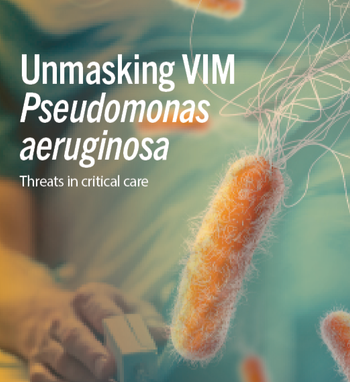
VIM-producing Pseudomonas aeruginosa isn’t just surviving in ICUs; it’s thriving. With mortality rates exceeding 30%, colonization risks hiding in drains, devices, and even donor milk, IPs must take proactive steps to outsmart this pathogen. Now is the time to double down on environmental controls, risk factor recognition, and surveillance strategies. Let’s break the biofilm cycle before the next outbreak takes root.
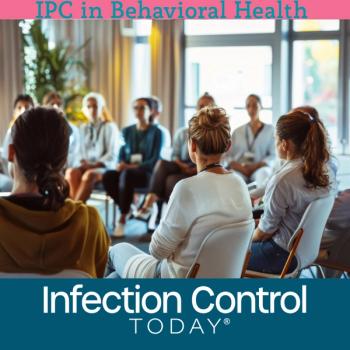
Infection prevention in behavioral health isn't one-size-fits-all. From PPE to hand hygiene, unique risks demand tailored solutions. Learn how to protect patients and staff safely and effectively.
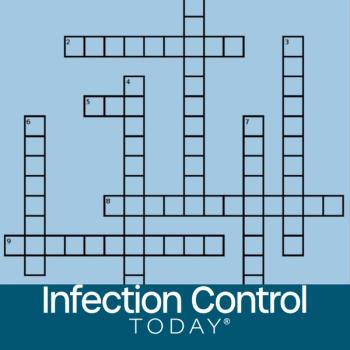
Infection Prevention Connection: An IPC Crossword Challenge
Published: | Updated:
Check out our first IPC Crossword Challenge.
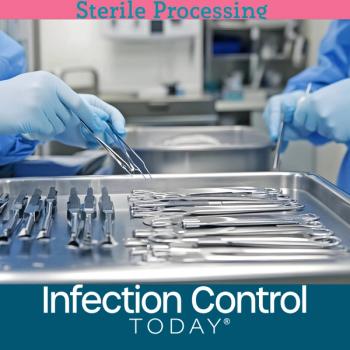
Sterilization is the backbone of safe patient care, but not all methods are created equal. From steam’s tried-and-true reliability to ethylene oxide’s versatility for complex devices and hydrogen peroxide plasma’s rapid, residue-free cycles, each technique carries unique advantages—and limitations. Understanding when and how to use them can mean the difference between seamless infection prevention and costly setbacks.
Join global leaders in infection prevention, pandemic response, and public health strategy at the Health Watch USA 20th Annual Conference. This is your chance to gain actionable insights on emerging pathogens, vaccine misinformation, and antibiotic resistance, while earning CE credits at no cost. Don’t wait; Be part of the solution.
As drug-resistant infections rise, infection preventionists must look beyond outdated disinfectants. HOCl offers a safer, sustainable solution that has been proven effective, residue-free, and ready for health care use today.
Advertisement
Advertisement
Trending on Infection Control Today
1
Florida Dengue Outbreak 2026: Symptoms, Testing, Treatment, and Prevention
2
WHO 5 Moments for Hand Hygiene: How to Apply Them in Ambulatory and Outpatient Care
3
Kenya’s Imported Ebola Case Raises Questions About Screening and IPC Readiness
4
Shared Equipment, Missed Surfaces, and the Fight Against Antimicrobial Resistance
5