


Environmental Services
Latest News
Advertisement
Advertisement
Companies are announcing their educational offerings as well as opportunities to netwrok and see new products and services at the 40th annual meeting of the Association for the Professionals in Infection Control and Epidemiology (APIC), to be held June 8-10, 2013 in Ft. Lauderdale, Fla.
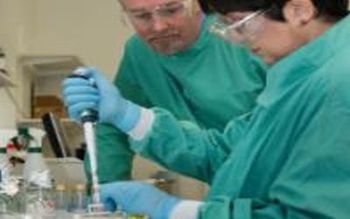
New research from the University of Southampton shows that copper and copper alloys will rapidly destroy norovirus. The virus can be contracted from contaminated food or water, person-to-person contact, and contact with contaminated surfaces, meaning surfaces made from copper could effectively shut down one avenue of infection.
Advertisement
Advertisement
Trending on Infection Control Today
1
Measles Took 5 Children in 8 Days. A Century Later, Their Story Still Matters
2
UPMC’s Genomic Surveillance Award Opens the Door to Funding Conversations
3
How Purposeful Infection Prevention Rounding Supports Patient Safety and EVS Collaboration
4
Proposed AHRQ Cut Raises Questions About Infection Prevention Research and Support
5