

Hand Hygiene
Latest News
Advertisement
Advertisement
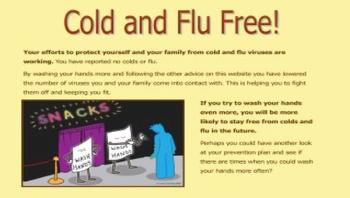
A web-based program to encourage more frequent handwashing reduces the risk of catching and passing on respiratory tract infections to other household members, a randomized trial of more than 16,000 UK households published in The Lancet has found. Users of the program, called PRIMIT, also reported fewer gastrointestinal infections, a lower demand for consultations with their doctors, and fewer antibiotic prescriptions.

Surgical site infections (SSI) continue to remain a national healthcare issue, raising costs due to prolonged hospitalization, additional diagnostic tests, treatment, and sometimes additional surgery. In fact, research suggests that SSIs can extend hospitals stays by seven to 10 days and cost $27,402 per incident, accounting for up to $10 billion annually in healthcare spending. That’s why Medline is working in partnership with the Joint Commission Center for Transforming Healthcare and Cleveland Clinic to share the latest SSI findings with healthcare leaders and medical device and clinical solution developers. The goal: uncover some of today’s real problems and barriers to spark serious dialogue and solutions.

Researchers in Ireland confirm that healthcare workers' compliance with hand hygiene guidelines largely relies on workplace culture - from peer and supervisory attitude toward proper protocol and practice to accessibility of necessary supplies like soap and water, and alcohol-based handrubs.
Advertisement
Advertisement