
Hand Hygiene
Latest News
Advertisement
Advertisement

While the saying goes that no one comes to work looking to make mistakes, they do happen, and they can lead to serious adverse events and poor patient outcomes. Where humans can introduce errors into a process, machines can help ensure standardization and uniformity, and an increasing number of healthcare organizations are evaluating and purchasing automated systems that boost their risk management strategies and patient safety efforts. Automation-driven processes are free from human fatigue and error, so they can help provide consistency and accuracy and potentially lead to a reduction in patient complications, infections and deaths. More predictable outcomes are possible with automated technology, and higher throughout can be achieved.

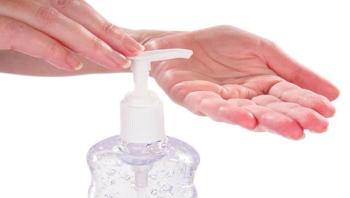

Even if they appear clean, your hands can be a vehicle for spreading potentially deadly foodborne illnesses and healthcare-associated infections (HAIs). To reduce the transmission of pathogens, proper and regular hand care is key. Equally important is creating accountability around hand hygiene among employees. But are we focusing too much of the discussion on which pathogens are killed and in how many seconds? Are these facts convincing employees to increase handwashing and the use of hand sanitizer at critical moments? Unfortunately, the current approach isn’t as effective as it could be. And without compliance, these disease-causing microorganisms remain on hands. Uncovering factors that increase compliance can help protect employees, building visitors and an organization’s brand.

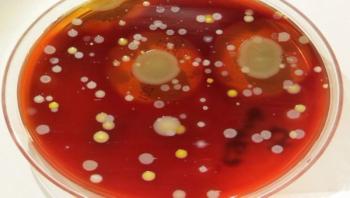
Can you use the “ick factor” to get healthcare workers to clean their hands more often? Yes, according to a new study being presented on June 11 at the 43rd Annual Conference of the Association for Professionals in Infection Control and Epidemiology (APIC).
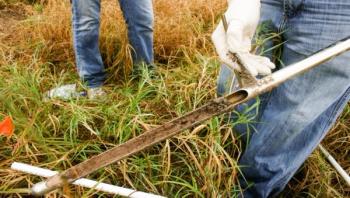
Most U.S. homes are full of familiar household products with an ingredient that fights bacteria: triclosan. Triclosan seems to be everywhere. When we wash our hands, brush our teeth, or do our laundry, we are likely putting triclosan into our water sources.
Advertisement
Advertisement