

Sterile Processing
Latest News
Advertisement
Latest Videos


Advertisement
More News

Dental Assistants Recognition Week spotlights the critical role dental assistants play in infection prevention, patient safety, and instrument sterilization. From PPE adherence to surface disinfection and patient education, these professionals manage complex clinical and administrative tasks that protect both patients and dental teams in high-risk aerosol-generating environments. (Entire interview)
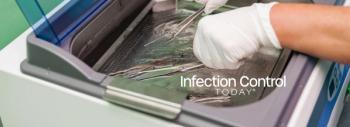
When sterile instruments look perfect but hidden soil remains, patient safety is at risk. In this in-depth ICT article, Marjorie Wall, EDBA, CRCST, CIS, CHL, CSSBB, explains why ultrasonic cleaning is not just equipment, but a critical quality system, and how failures in cavitation, lumen flushing, or water quality can quietly undermine infection prevention in the operating room and sterile processing department.

When operating room delays and tray errors threatened efficiency, leaders at New York Presbyterian built a collaborative bridge with central sterile processing. Through shared metrics, workflow exchanges, and improved communication, first-case-on-time starts climbed from the 50 to nearly 90%.

Why small lapses in cleaning can lead to significant infection control consequences—and how dentistry can close the gaps.
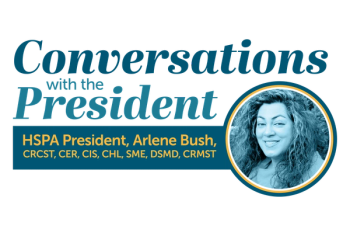
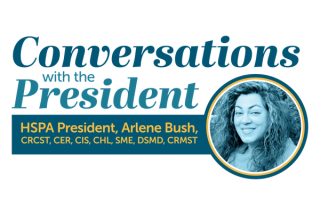
In this ICT podcast, HSPA President Arlene Bush reflects on a year of global collaboration, shifting standards, and the realities of compliance in sterile processing. She shares why 2026 should focus on celebrating throughput wins, strengthening training through rounding, and leading with empathy in high-stress departments.

As 2026 begins, Infection Control Today®'s Editorial Advisory Board reflects on a challenging year shaped by misinformation, policy uncertainty, and relentless change, reaffirming a commitment to science, truth, and supporting IPC professionals who keep showing up for patients and public health.

Are you curious what the Top 5 Infection Control Today interviews were in 2025? Read this article to find out.
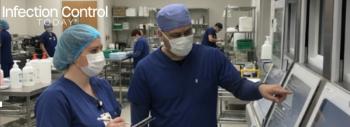
When infection control slips, the consequences can be serious: patient harm, staff illness, fines from OSHA/local inspectors, and damage to your reputation. That’s why training isn’t optional; it’s essential.
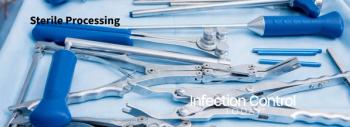

Thank you, IPC professionals, from Infection Control Today!

With hospitals across the country accelerating investments in automation, why does human competence remain vital?

Motivating Leadership and the Team to Improve Employee Engagement, Reduce Burnout, and Build Career Paths
Published: | Updated:
We all know that preventing employee fatigue and burnout requires a multipronged and ongoing effort to address the issue. There’s probably not a company in this nation that hasn’t experienced exhausted and frustrated employees, and the struggle is real to keep everybody engaged and motivated.
Sherrie is back! In this The Clean Bite, she discusses single-use vs Resusable Dental Supplies. Ultrasonic scaler tips, burs, and endodontic files are often reused despite being marketed as single-use. How many patients are at risk from shortcuts in reprocessing?
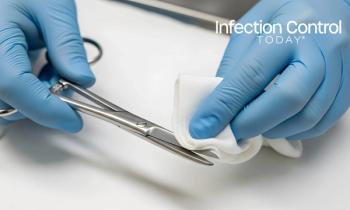
What is a day in the life of a sterile processing department technician like? Read this article by Hannah Schroeder, BSHA, CRCST, CHL, CIS, CER, to find out.
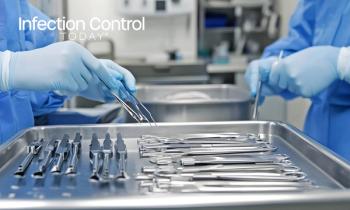
As ambulatory surgery centers (ASCs) expand into new specialties, sterile processing challenges can slow growth or halt operations entirely. Lifeline Surgical Partners—formerly Lifeline Vascular Care—found a scalable, cost-effective solution through offsite reprocessing, allowing their centers to maintain high-quality care while freeing clinical teams to focus on patients.
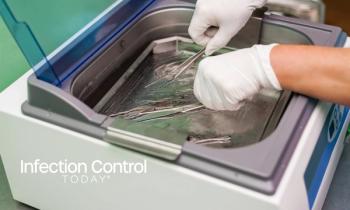
When traditional cleaning can’t reach hidden biofilm, ultrasonic cleaning steps in—delivering precision, safety, and efficiency across modern medical and dental care.

From ultrasound gel safety to high-level disinfection, The Joint Commission’s 2025 surveys are zeroing in on infection prevention hot spots. Are your teams ready?
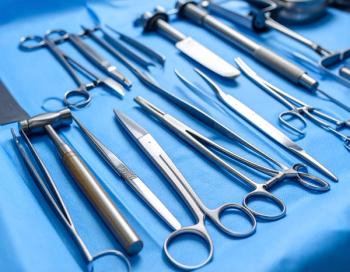
Ensuring the sterility of medical devices is a cornerstone of patient safety. This whitepaper examines steam sterilization—the predominant method in healthcare—and the critical role of chemical indicators (CIs) in monitoring process efficacy. With a focus on ISO 11140-1 standards, it compares Type 4 and Type 5 indicators, outlining their strengths, limitations, and implications for reliable sterilization practices.
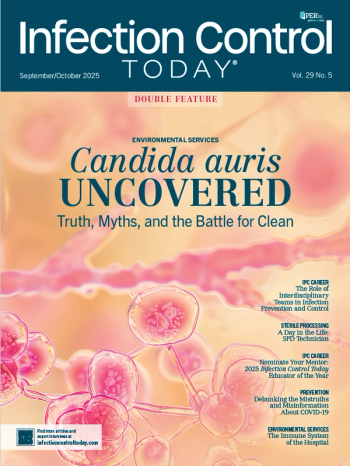
Check out the latest print edition of Infection Control Today: September/October 2025.
Advertisement
Advertisement