Could live attenuated vaccines and intranasal vaccines be the answer for RSV, COVID-19, and even cancer tumors?

Tori Whitacre Martonicz, MA, is the lead editor of Infection Control Today. She has been a writer and editor for over 30 years and has an MA and BA in English Composition/Literature from the University of Akron in Akron, OH. She lives in Ohio with her husband, Eric; son, Drake; 2 tiny dogs, Selena Brigid Sophia and Doctor Danger Dog; and a big black cat, Freya. She loves reading, writing, gardening, and spending time with her loved ones.
Contact her through her email: tmartonicz@mjhlifesciences.com.
Could live attenuated vaccines and intranasal vaccines be the answer for RSV, COVID-19, and even cancer tumors?
How can food service and health care workers prevent the spread of norovirus? Keeping employees at home, using the correct products the right way, and more.
Are norovirus cases going to skyrocket, or will the pandemic slowdown of this infectious disease continue?

Nation Home Infusion Association addresses the media's coverage of the recent limited home infusion therapy study from Johns Hopkins University School of Medicine.

A study clearly shows that surgical site infections (SSIs) can be reduced by changing surgical gloves and instruments before the closing abdominal wound closure.

Moderna announced encouraging news about its RSV mRNA-1345 vaccine and plans to submit for regulatory approval in the first half of 2023.

New study shows home infusion therapy staff may have significant barriers to infection-surveillance training, and this could be leading to higher infection rates.

Have the CDC and EPA given enough correct guidance on how to use cleaning products during the COVID-19 pandemic, or is it “fundamentally flawed”?

In this third installment of 3, Infection Control Today® continues the one father's story of how sepsis can enter central lines and how it affects the entire family.

A recent study attempted to estimate the transmission of SARS-CoV-2 from humans to their pets and identify the risk factors, including food and water bowls and human-animal contact.
In this second installment of 3, Infection Control Today® continues a personal story of how sepsis can enter central lines and how it affects the entire family.

However, improved IPC measures were not sufficient to protect HCP from occupational exposures during periods of high community incidence.
In this first installment of 3, Infection Control Today® presents a personal story of how sepsis can enter central lines, and how it affects the entire family.

The best disinfectant needs to be fast-acting and remain wet for the entire contact time in a single application. What else is required?

Infection Control Today® talks to Shannon Simmons, DHSc, MPH, CIC, about her work with the APIC's Cleaning, Disinfection, Sterilization Conference and her position as an ambulatory infection preventionist.

Association for Professionals in Infection Control and Epidemiology released a statement on how to protect against COVID-19, influenza, and RSV.
Vaccines are one of the best weapons scientists have against pandemics. What can scientists and medical professionals do to prepare better vaccines for the next pandemic?

Infection Control Today's® Product Locator is a monthly column highlighting some of the latest advanced technology in the infection prevention field.
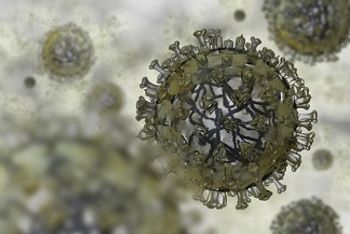
Reluctance to receive the influenza vaccine continues despite years-long campaigns to increase vaccination rates. William Schaffner, MD, speaks to ICT® about how health care workers can respond to the most common questions and assure of the vaccine’s safety and efficacy.

The study's investigators noted that adequate hand hygiene in the OT by nonsterile health care workers and surgeons is vital to prevent post-operative wound infections.

A long-time user of sharps tells of his challenges with and gratitude for sharps.

Any decrease in the devastation of Clostridioides difficile is welcomed, but an investigative team brought the numbers down by 50%. See what control measures they used.

A student-led COVID-19 contact-tracer program reduced exposures and infections at start of the pandemic.
Most often, the first place a patient enters a hospital is through the emergency department and sometimes by emergency medical services. Where else to better stop Clostridioides difficile from coming into the hospital than at the entrance?
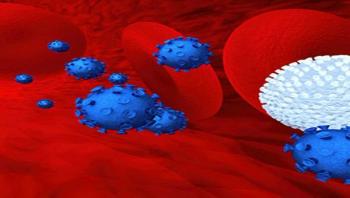
While treatments are available for hepatitis B virus, no long-term cure has been developed. Progress so far indicates that this core inhibitor candidate is potentially ready for clinical studies.
Hebah Ibrahim Al Zamel, MSN, CIC, CPHQ, currently living in Dubai discusses becoming a member of the APIC CDS Education Committee and what infection prevention is like in Dubai.

Extra-intestinal pathogenic Escherichia coli (ExPEC) and Staphylococcus aureus (S. aureus) are 2 of the leading causes of severe sepsis, and Janssen Pharmaceutical Companies of Johnson & Johnson is developing vaccines to fight those diseases.

What can the individual do, especially those who are underserved, to protect themselves against sexually transmitted infections, including chlamydia, gonorrhea, and syphilis, and complicated with monkeypox.

While sequencing-based diagnostics have been used since the 1970s, only recently has the technology been used for infectious diseases.

From safety to infection control, facial recognition in health care facilities is a new tool to keep both patients and staff safe from workplace violence.