News

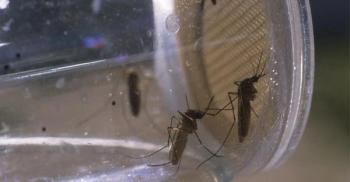
Researchers have discovered crucial new processes that allow malaria parasites to escape red blood cells and infect other cells, offering potential new treatment targets.

Bacteria-killing viruses could be employed not just in healthcare, but also in the food industry, a study conducted at the University of Helsinki indicates.

A new blood test called the Tick-Borne Disease Serochip (TBD Serochip) promises to revolutionize the diagnosis of tickborne disease by offering a single test to identify and distinguish between Borrelia burgdorferi and seven other tickborne pathogens.

Researchers at La Jolla Institute for Allergy and Immunology have identified a subset of T cells, whose frequency serves as early childhood immune signature that predicts the risk of developing asthma later on.

Researchers at the University of Illinois at Chicago have now identified a small drug molecule that can clear the HSV-1 infection in the cells of the cornea and works completely differently than the currently-available drugs, making it a promising potential option for patients who have developed resistance.

New diagnostic methods and treatments – including fecal transplantation – will help improve the care of patients with Clostridium difficile (C. diff.), a deadly bacterial infection that can occur after antibiotic use, according to updated guidelines released by the Infectious Diseases Society of America (IDSA) and Society for Healthcare Epidemiology of America (SHEA) and published in the journal Clinical Infectious Diseases.