News


The Society for Healthcare Epidemiology of America (SHEA) says it is alarmed by the continuing resolution passed by the House of Representatives’ that would initiate a series of cuts to the Prevention and Public Health Fund in FY2021.

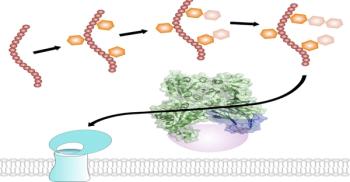
Indiana University researchers have made an important step forward in the design of drugs that fight the hepatitis B virus, which can cause liver failure and liver cancer.

Ants, like humans, deal with disease. To deal with the bacteria that cause some of these diseases, some ants produce their own antibiotics. A new comparative study identified some ant species that make use of powerful antimicrobial agents - but found that 40 percent of ant species tested didn't appear to produce antibiotics. The study has applications regarding the search for new antibiotics that can be used in humans.

As the fight against drug-resistant infections continues, University of Leeds scientists are looking back at previously discarded chemical compounds, to see if any could be developed for new antibiotics.

A new study indicates that the drug fosfomycin may be effective for treating multidrug-resistant bacterial infections.

A study published in the Journal of Biological Chemistry is the first to describe a signaling pathway that affects communication -- a process called quorum sensing -- between Streptococcus bacteria cells.

The U.S. Defense Advanced Research Projects Agency (DARPA) has signed a five-year cooperative agreement worth up to $28 million with Vanderbilt University Medical Center (VUMC) to develop methods for preventing the global spread of viruses like chikungunya and Zika.

An astonishing number of viruses are circulating around the Earth's atmosphere -- and falling from it -- according to new research from scientists in Canada, Spain and the U.S.

Influenza vaccination coverage among high-risk groups has dropped in the European Region over the last seven years, and half the countries report a decrease in the number of vaccine doses available.