News
Advertisement

Healthcare-acquired infections (HAIs) are among the leading causes of patient disability and mortality as well as financial loss for health care institutions with hundreds of millions of patients affected and the United States losing approximately $6.5 billion annually. Despite efforts to solve the HAI problem, 3.5 percent to 12 percent of patients are affected each year. HAI are often due to factors such as insufficient application of hygienic practices and hospital protocols.(1)
Advertisement

Zika virus is spreading rapidly through the Americas and could potentially reach all countries except Canada and continental Chile, the director of the Pan American Health Organization (PAHO), Dr. Carissa F. Etienne, told health officials from around the world during a briefing of the executive board of the World Health Organization (WHO) in Geneva.


The Molecular Microbiology Research Group in the UAB's Department of Genetics and Microbiology describes for the first time, in a work published in PLOSone, a model of behavior of a bacterial colony that shows how the colony protects itself against toxic substances, like antibiotics, during the colonization process.
Advertisement


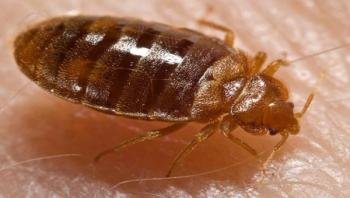
A new study published in the Journal of Medical Entomology is the first to report that bed bugs have developed resistance to a class of insecticides known as neonicotinoids, or neonics, the shortened name. Neonics are the most widely used group of insecticides today, and several products have been developed for bed bug control over the past few years that combine neonics with pyrethroids, another class of insecticide.

The World Health Organization's director-general should convene "urgently" a meeting of International Health Regulations' Emergency Committee to advise on the emerging Zika pandemic and galvanize global action, say two Georgetown University professors.


Advances in genetic sequencing are uncovering emerging diseases in wildlife that other diagnostic tests can’t detect. In a study led by Duke University, researchers used a technique called whole-transcriptome sequencing to screen for bloodborne diseases in wild lemurs, distant primate cousins to humans.
The Zika virus, unlike other mosquito-borne viruses such as dengue, is relatively unknown and unstudied. That is set to change since Zika, now spreading through Latin America and the Caribbean, has been associated with an alarming rise in babies born in Brazil with abnormally small heads and brain defects – a condition called microcephaly.
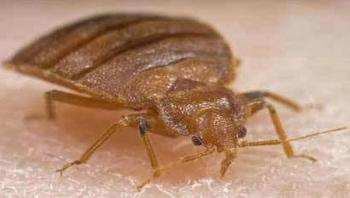
Many studies have been conducted on how effective certain pesticides are when they are applied to bed bugs. However, most have not allowed the bed bugs to take a blood meal after being exposed to pesticides, which can change the mortality rates, according to an article in the Journal of Medical Entomology. Researchers from Rutgers University found that bed bugs that were allowed to feed after being treated with insecticides either had greater rates of survival, or they took longer to die than bed bugs that were not allowed to feed after being treated.

Naturally occurring clay from British Columbia, Canada -- long used by the region's Heiltsuk First Nation for its healing potential -- exhibits potent antibacterial activity against multidrug-resistant pathogens, according to new research from the University of British Columbia. The researchers recommend the rare mineral clay be studied as a clinical treatment for serious infections caused by ESKAPE strains of bacteria.
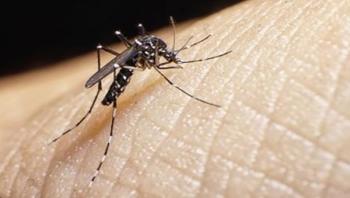
On Jan. 25, 2016 the World Health Organization (WHO) announced that Zika virus, a mosquito-borne illness that in the past year has swept quickly throughout equatorial countries, is expected to spread across the Americas and into the United States. The disease, which was discovered in 1947 but had since been seen in only small, short-lived outbreaks, causes symptoms including a rash, headache and small fever. However, a May 2015 outbreak in Brazil led to nearly 3,500 reports of birth defects linked to the virus, even after its symptoms had passed, and an uptick in cases of Guillain-Barre syndrome, an immune disorder. The Centers for Disease Control and Prevention (CDC)has issued a travel alert advising pregnant women to avoid traveling to countries where the disease has been recorded.
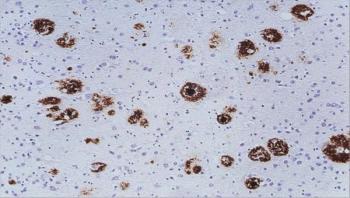
Up until now, Alzheimer's disease has not been recognized as transmissible. Now researchers at the University of Zurich and the Medical University Vienna demonstrated Alzheimer-type pathology in brains of recipients of dura mater grafts who died later from Creutzfeldt-Jakob disease.

New research finds that the most commonly used test for tuberculosis fails to accurately diagnose TB in up to 50 percent of pregnant women who are HIV positive. The research published early online in the American Thoracic Society’s American Journal of Respiratory and Critical Care Medicine is believed to be the first study to compare the accuracy of two TB tests – the Quantiferon Gold In Tube® blood test and the more commonly used TST or tuberculin skin test-in this population. The study “Quantitative IFN, IL-2 Response and Latent Tuberculosis Test Discordance in HIV-infected Pregnant Women” is also the first study to examine pregnancy’s effect on the body’s response to TB.
Advertisement
Advertisement
Trending on Infection Control Today
1
What Is Trichophyton indotineae? Drug-Resistant Ringworm Spreads to 29 Countries
2
Infection Control Today Launches First Digital Magazine for Infection Prevention Professionals
3
What Is Causing the 2026 US Measles Outbreak? Vaccination Rates, Travel, and Immigration Examined
4
ICT Weekly Rounds – September 17, 2026: RIngworm, Measles, Ebola Updates
5