
News
Advertisement
Advertisement

Advertisement
Advertisement

Virulent strains of bacteria are ones that produce "virulence factors," small molecules and proteins that convert a benign bacterium into a pathogen. They make the difference between E. coli that are helpful members of our gut microbiome and the E. coli O157:H7 responsible for the Jack-in-the-Box outbreak. Virulence factors allow bacteria to evade the human immune system, to infect tissues and cells and to establish a foothold within the body. Without them, bacteria would be rapidly cleared by the immune system and unable to establish an infection.Tim Wencewicz, PhD, assistant professor of chemistry in Arts & Sciences at Washington University in St. Louis, thinks we should be looking for agents that block virulence factors rather than continuing to search for ones to kill bacteria outright. In his vision, antivirulence antibiotics would replace failing bactericidal ones.
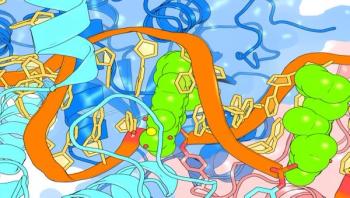
Biophysicists have discovered why the bacteria that cause tuberculosis (TB) are naturally somewhat resistant to antibiotics known as fluoroquinolones. Their findings, based on mapping the detailed three-dimensional structure of the drugs interacting with an essential enzyme in the TB germ, also reveal why some TB drugs are more potent than others and suggest how drug developers can make fluoroquinolones more efficacious against mutations that make the lung disease drug resistant.
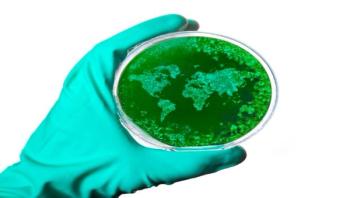
Throughout human history, pandemics responsible for the deaths of millions have plagued mankind. Unfortunately, experts believe occurrence of another pandemic is not so much a question of “if” as a question of “when.”
Advertisement
Advertisement
Trending on Infection Control Today
1
What Is Trichophyton indotineae? Drug-Resistant Ringworm Spreads to 29 Countries
2
Infection Control Today Launches First Digital Magazine for Infection Prevention Professionals
3
What Is Causing the 2026 US Measles Outbreak? Vaccination Rates, Travel, and Immigration Examined
4
ICT Weekly Rounds – September 17, 2026: RIngworm, Measles, Ebola Updates
5