
News
Advertisement
Advertisement
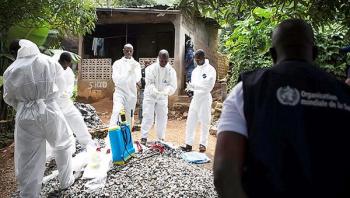
One year ago, when Dr. Olu Olushayo arrived to coordinate the WHO Ebola response in Sierra Leone, he found not only an outbreak on a scale beyond his worst imaginings but myriad problems that needed complex solutions. Even where funds were available, there were not enough ambulances in the country, not enough Ebola treatment beds, not enough nurses and other healthcare workers as fast as needed. This is his story.
Advertisement
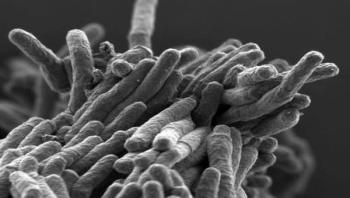
Testing thousands of approved drugs, EPFL scientists have identified an unlikely anti-tuberculosis drug: the over-the-counter antacid lansoprazole (Prevacid®).


Infectious diseases such as hepatitis C and some of the world's deadliest superbugs -- C. difficile and MRSA among them -- could soon be detected much earlier by a unique diagnostic test, designed to easily and quickly identify dangerous pathogens. Researchers at McMaster University have developed a new way to detect the smallest traces of metabolites, proteins or fragments of DNA. In essence, the new method can pick up any compound that might signal the presence of infectious disease, be it respiratory or gastrointestinal.

Lyme disease cases are on the rise, with diagnoses occurring in areas that were historically Lyme-free. Scientists attribute the spread to the fact that populations of blacklegged ticks, which carry the bacteria that causes the disease, now flourish in areas once thought to be devoid of ticks.

A study by a multidisciplinary research team, co-directed by Worcester Polytechnic Institute (WPI), offers new insights into how virulent fungi adapt through genetic modifications to fight back against the effects of medication designed to block their spread, and how that battle leaves them temporarily weakened. These insights may provide clues to new ways to treat notoriously difficult-to-cure fungal infections like thrush and vaginitis.
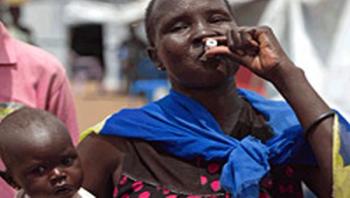
From Tanzania to South Sudan, and Nepal to Yemen, cholera – and the threat of a cholera outbreak – is a major public health concern for governments and the international health community. Use of oral cholera vaccines (OCV) is proving to be an efficient tool to effectively control cholera outbreaks. New outbreaks are ongoing in South Sudan and Tanzania fanned by insecurity and displacement. Intensive control efforts are ongoing, and vaccination programmes have been rolled out to target communities at risk. In conflict-wracked Yemen and earthquake-ravaged Nepal, WHO has been working with national authorities and partners on the ground to prepare for any outbreak of cholera, as well as acute diarrhea.

Life science companies continually evaluate their operations for opportunities to improve throughput, increase compliance, and reduce costs. Medical device manufacturers, laboratories, and R&D facilities can all experience greater flexibility and more control with an in-house ethylene oxide (EO) sterilization program. By reducing what can be a two-week turnaround time with outsourced sterilization, operations managers can expect faster release of finished goods and increased inventory turns for a measurable and sustainable economic benefit. In particular, companies that process small, high-value devices can benefit from the new 3M™ Steri-Vac™ Sterilizer/Aerator GSX Series ethylene oxide (EO) sterilization system, with state-of-the-art mechanical design, real-time cycle information on the high-resolution color touch screen, and the ability to quickly and easily customize sterilization cycles.
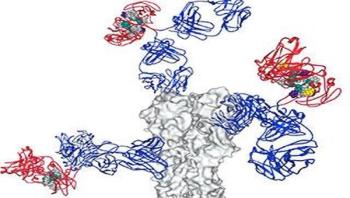
Flu vaccines can be something of a shot in the dark. Not only must they be given yearly, there's no guarantee the strains against which they protect will be the ones circulating once the season arrives. New research by Rockefeller University scientists and their colleagues suggests it may be possible to harness a previously unknown mechanism within the immune system to create more effective and efficient vaccines against this ever-mutating virus.
Advertisement
Advertisement
Trending on Infection Control Today
1
What Is Trichophyton indotineae? Drug-Resistant Ringworm Spreads to 29 Countries
2
Infection Control Today Launches First Digital Magazine for Infection Prevention Professionals
3
ICT Weekly Rounds – September 17, 2026: RIngworm, Measles, Ebola Updates
4
National EVS Week 2026: Why Environmental Services Is Essential to Infection Prevention and Patient Safety
5