
News
Advertisement
Advertisement

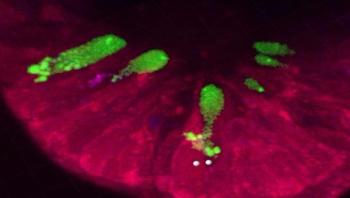
Cystic fibrosis is a genetic disorder that affects one out of every 3,000 children in populations of Northern European descent. One of the key signs of cystic fibrosis is that mucus lining the lungs, pancreas and other organs is too sticky, which makes it difficult for the organs to work properly and, in the lungs, attracts bacteria and viruses resulting in chronic infections. Researchers at the University of Missouri recently found that cystic fibrosis mucus actually gets stuck inside some of the cells that create it, rather than simply becoming stuck on the outside linings of organs.
Advertisement
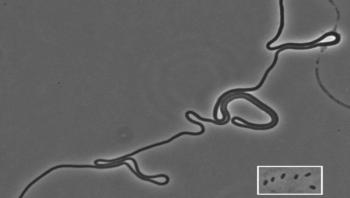
The typical Escherichia coli, the laboratory rat of microbiology, is a tiny 1-2 thousandths of a millimeter long. Now, by blocking cell division, two researchers at Concordia University in Montreal have grown E. coli that stretch three quarters of a millimeter. That's up to 750 times their normal length. The research has potential applications in nanoscale industry, and may lead to a better understanding of how pathogens work. The study was published ahead of print on Feb. 17 in the Journal of Bacteriology, a journal of the American Society for Microbiology.
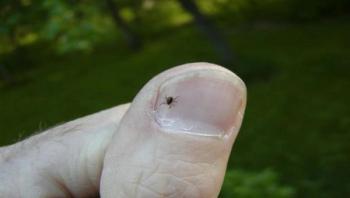
In the northeastern United States, warmer spring temperatures are leading to shifts in the emergence of the blacklegged ticks that carry Lyme disease and other tickborne pathogens. At the same time, milder weather is allowing ticks to spread into new geographic regions. Findings were published this week in a special issue of the Philosophical Transactions of the Royal Society B dedicated to climate change and vectorborne diseases.

The first publication out of a collaboration between Clarkson University and the Trudeau Institute aims to improve the fight against bacterial infections through immunoengineering. Chemical Communications has published a paper authored by researchers at Clarkson University and the Trudeau Institute, titled "Designed Supramolecular Filamentous Peptides: Balance of Nanostructure, Cytotoxicity and Antimicrobial Activity."


This report explains the basics of germicidal ultraviolet light for application in the healthcare environment. It reviews the mechanisms for pathogen deactivation, plus explores the variables of UV-C efficacy, the caveats with the use of this kind of technology, and cost considerations. It also provides advice for evaluating and purchasing UV disinfection devices.


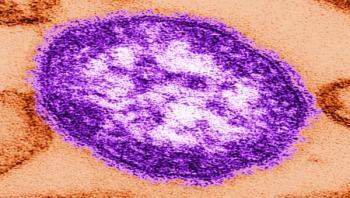

The Rescue Team, an association set up by Ebola survivors to help fellow survivors trying to put their lives back together again, is now exploring ways to contribute to the Ebola outbreak response in Sierra Leone.
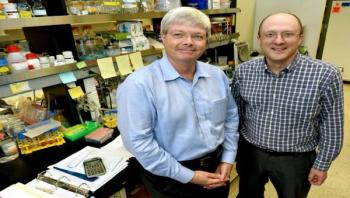
It's a firmly established fact straight from Biology 101: Traits such as eye color and height are passed from one generation to the next through the parents' DNA. But now, a new study in mice by researchers at Washington University School of Medicine in St. Louis has shown that the DNA of bacteria that live in the body can pass a trait to offspring in a way similar to the parents' own DNA. According to the authors, the discovery means scientists need to consider a significant new factor -- the DNA of microbes passed from mother to child - in their efforts to understand how genes influence illness and health. The study appears online Feb. 16 in Nature.
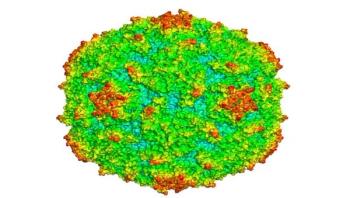
Scientists from the UK and U.S. are using technology that helped in the design of a new synthetic vaccine to combat the foot and mouth disease virus (FMDV) to now target the virus that causes polio. The synthetic vaccine that is currently being engineered in collaboration with professor Dave Rowlands at the University of Leeds would provide a powerful weapon in the fight to rid the world of polio. This project is being funded by a £438,000 grant from the World Health Organization and the Bill & Melinda Gates Foundation.

Scientists are teaming up to use satellite data to target deadly parasites to help predict patterns of parasitic diseases such as malaria, worms and hydatids. Project leader professor Archie Clements, from the Australian National University, says the research could help authorities in developing countries fight parasitic diseases.
Advertisement
Advertisement
Trending on Infection Control Today
1
What Is Trichophyton indotineae? Drug-Resistant Ringworm Spreads to 29 Countries
2
Infection Control Today Launches First Digital Magazine for Infection Prevention Professionals
3
ICT Weekly Rounds – September 17, 2026: RIngworm, Measles, Ebola Updates
4
National EVS Week 2026: Why Environmental Services Is Essential to Infection Prevention and Patient Safety
5