
Take 5 minutes to catch up on Infection Control Today®’s highlights for the week ending January 14, 2024.
Take 5 minutes to catch up on Infection Control Today®’s highlights for the week ending January 14, 2024.
FDA designates vaporized hydrogen peroxide (VHP) as an Established Category A sterilization method, reducing reliance on Ethylene Oxide. Boosting innovation for safer, effective medical device sterilization.
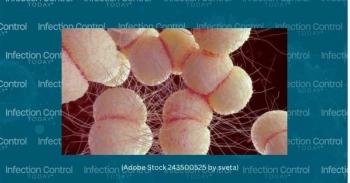
With gonorrhea's rising antibiotic resistance, Recce 327 by Recce Pharmaceuticals emerges as a game-changer, showing 99% efficacy in preclinical trials and promising potential against antibiotic-resistant bacteria globally.
Society for Healthcare Epidemiology of America/Infectious Diseases Society of America/Association for Professionals in Infection Control and Epidemiology answer Diekema, et al, about MRSA prevention strategies.
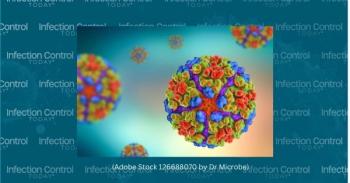
The FDA-approved vaccine for chikungunya is out, but is it a safer and more effective solution for preventing this infectious disease? What other options are coming? ICT finds out.

In a study released today on sepsis patients, limited English proficiency (LEP) didn't show a significant overall mortality link. However, LEP patients in the non-Hispanic White subgroup faced higher mortality rates.
Survey shows people think the influenza vaccine is safer than the COVID-19 vaccine. This is concerning as COVID-19 is more prevalent and hospitalizes more people. This could result in low vaccine uptake.

Results of a study by Yan Xie and colleagues highlight the severe impact of COVID-19, with higher death rates, increased risks of long-term complications, and greater infectivity compared to seasonal influenza.

Happy New Year from all of us at Infection Control Today! What are your professional resolutions? We list ours!
Explore the top 14 articles from Infection Control Today for 2023, covering cutting-edge developments, strategies, and innovations in infection prevention and control.
Take 5 minutes to catch up on Infection Control Today®’s highlights for the week ending December 31, 2023.

While public transportation offers convenience and accessibility, it is crucial to remain mindful of the potential presence of germs, emphasizing the importance of adopting infection prevention measures during travel times.

Explore a musical journey through illness with our list of catchy songs about ailments. Plus, discover timeless blues classics that resonate with the human experience of sickness.
Explore a thrilling movie list featuring infectious diseases and zombie outbreaks, from "Contagion" to "World War Z," perfect for horror fans!
Discover how Merck's V116 vaccine, now under FDA priority review, addresses invasive pneumococcal disease in adults, bridging critical protection gaps with 8 unique serotypes.
After pushback on social media, Tina Joshi, PhD, spoke with Infection Control Today to clarify and explain her study, her lifelong research, and what she hopes IPs and other IPC personnel can take from them.
Infection Control Today's® Product Locator is a monthly column highlighting some of the latest advanced technology in the infection prevention field.
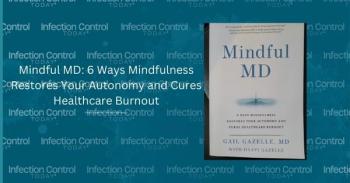
Dr. Gail Gazelle's "Mindful MD" addresses health care burnout with mindfulness, imposter syndrome, and other issues offering practical solutions and strategies for health care professionals.
As tropical viruses increase in the US, Infection Control Today wanted to learn more about chikungunya. Here is what we learned.
According to a recent study, bleach fails to eradicate C difficile spores in hospital scrubs, raising concerns about disinfectant efficacy and bacterial resistance in health care settings.

New insights into pathogen-specific transmission dynamics and innovations in ventilation, filtration, and monitoring systems offer promising tools for effective infection control.

Learn how infection preventionists (IPs) are key to ensuring food safety in healthcare facilities, addressing foodborne illness risks, and fostering a culture of prevention.
Shop for the holidays with Infection Control Today® (ICT®)! Our selection of must-have products makes it easy to find the perfect gift for yourself or a loved one.

An interview with an infectious diseases expert on how respiratory syncytial virus (RSV) impacts populations, current treatments, and best methods for prevention.

A recent study in the American Journal of Infection Control reveals errors in infection prevention adherence among health care professionals during the COVID-19 pandemic, emphasizing the importance of improved training.

Explore the challenges and innovations in infection control protocols for turbomachinery manufacturing. Discover the role of automation, IoT, and employee training in safeguarding health and productivity.
Take 5 minutes to catch up on Infection Control Today®’s highlights for the week ending December 10, 2023.

Which of the various low and high-tech measures proposed to mitigate SARS-CoV-2 transmission, from hand hygiene to air cleaners, actually work? A new study gives practical tools for assessment and insights into their effectiveness.

Jo Varshney, DVM, PhD, the founder of VeriSIM Life, shares her journey to her current position and the role of courage in it.
Staying Ahead with Company Updates and Product Innovations. This article's news is from BiomX, SHEA, and CSL and Arcturus Therapeutics.