
News
Advertisement

Advertisement
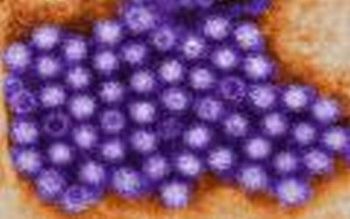
Healthcare facilities that experience outbreaks of norovirus are challenged with disinfection methods, case histories and control measures. Because the norovirus is highly contagious and lives in the inanimate environment, isolation and cleaning practices must be vigilant.
Medical tape is used on practically all hospital patients, from newborns to the elderly, in the emergency room and in a number of departments within the hospital. Common uses are for wound closure, intravenous (IV) therapy or other procedures. It is a rare patient that does not encounter tape.
Advertisement
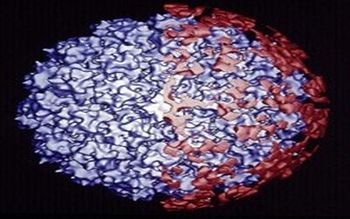
In 2009, more than 30,000 people in the U.S. learned they had cancer linked to the human papillomavirus, or HPV. This virus is best known for causing cervical cancer, but its also the culprit behind many cancers of the mouth, throat, anus, and genitals. Unlike many forms of cancer, for which we lack the knowledge and tools to prevent, scientists have figured out how to dodge HPV-triggered cancers by HPV vaccination. Vaccination against HPV thwarts the viruses spread, wrecking its ability to jump between people. Wiping out HPV could mean shutting down a big source of cancer cases more than 3 percent of all diagnoses nationwide.
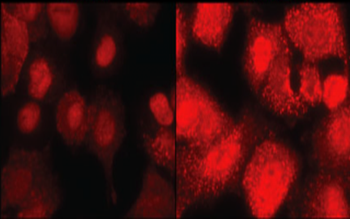
Scientists have discovered that that the flu virus can essentially tell time, thereby giving scientists the ability to reset the virus clock and combat it in more effective ways. According to researchers at the Icahn School of Medicine at Mount Sinai, the flu knows how much time it has to multiply, infect other cells, and spread to another human being. If it leaves a cell too soon, the virus is too weak. If it leaves too late, the immune system has time to kill the virus.
Advertisement
Advertisement
Trending on Infection Control Today
1
What Is Trichophyton indotineae? Drug-Resistant Ringworm Spreads to 29 Countries
2
ICT Weekly Rounds – September 17, 2026: RIngworm, Measles, Ebola Updates
3
Infection Control Today Launches First Digital Magazine for Infection Prevention Professionals
4
National EVS Week 2026: Why Environmental Services Is Essential to Infection Prevention and Patient Safety
5