
News
Advertisement
Advertisement
Advertisement
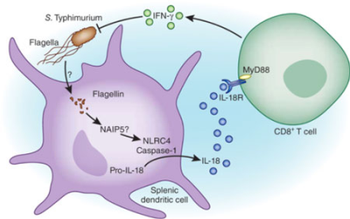
When disease-causing invaders like bacteria infect a human host, cells of various types swing into action, coordinating their activities to address the threat. In new research appearing in this months issue of the journal Nature Immunology, Roy Curtiss, director of the Center for Infectious Diseases and Vaccinology at the Biodesign Institute at Arizona State University, along with international collaborators, investigates the coordination of a particular type of immune response, involving the release of of IFN- a cell-signaling protein molecule known as a cytokine.

Advertisement
Advertisement
Trending on Infection Control Today
1
What Is Trichophyton indotineae? Drug-Resistant Ringworm Spreads to 29 Countries
2
Infection Control Today Launches First Digital Magazine for Infection Prevention Professionals
3
ICT Weekly Rounds – September 17, 2026: RIngworm, Measles, Ebola Updates
4
National EVS Week 2026: Why Environmental Services Is Essential to Infection Prevention and Patient Safety
5