
The good news? The fact that 3 different viruses with 3 different lineages came up with the same mutation to evade natural immunity and the vaccines. And initial reports are that it only partially evades the vaccines.
The good news? The fact that 3 different viruses with 3 different lineages came up with the same mutation to evade natural immunity and the vaccines. And initial reports are that it only partially evades the vaccines.

Contact tracing is reactive—the goal is to avoid these close contact exposures in which people are interacting without masks and indoors. Practice makes permanence after all.
“Infection control measures, including surveillance, education, cleaning/disinfection, patient cohorting, isolation, and hand hygiene, effectively contained the outbreak; it was declared over within 2 months.”
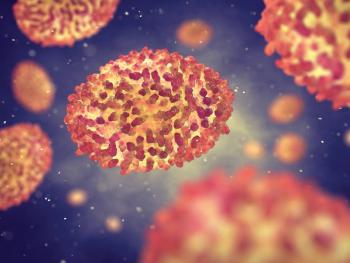
Bug of the Month helps educate readers about existing and emerging pathogens of clinical importance in healthcare facilities today.
Beware the loophole. Many clinics are often classified as office space, not health care buildings, so they do not have adhered to ventilation standards.

Caitlin Stowe MPH, CPH, CIC: “There’s still a lot we don’t know about SARS-CoV-2 and the direct mechanisms of transmission…. It can be aerosolized. However, there is evidence of indirect transmission from surfaces to people.”
Concerning the possibility of a B.1.1.7 COVID-19 surge, Michael Osterholm, PhD, and a member of President Joe Biden’s transition team, does not mince words: “That hurricane’s coming.”
Kevin Kavanagh, MD: “If we keep spreading this virus around, it’s going to slowly devastate both our population and our economy.”
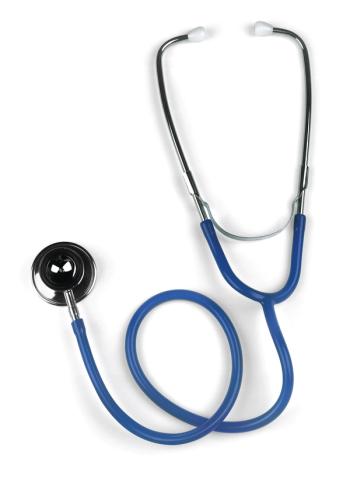
Stethoscope diaphragms are contaminated with the same pathogens as the hands and they are capable of transmitting pathogens from patient to patient. The CDC should readdress its published guidelines.
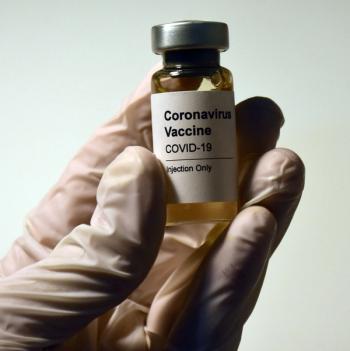
Mary Jean Ricci MSN, RNBC: “[Infection preventionists] really need to think about how we’re getting people from the assessment area to the vaccination area to the evaluation area in a unidirectional flow so that we don’t have the spread of the virus at the time of inoculation.”
Aside from being more contagious and deadlier, the B.1.1.7 strain of COVID-19 seems to pose a greater threat to children, some experts believe.

The topic of in-person school has been a heated one as the epidemiology around children has been something that’s taken a while to understand.
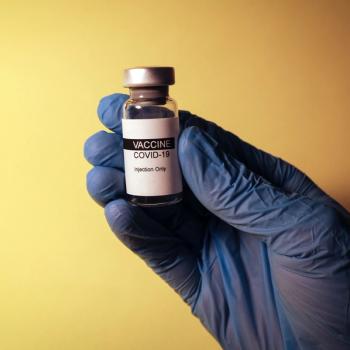
Sharon Ward-Fore, MS, MT(ASCP), CIC: “Infection preventionists need to remind people to be vigilant both in health care and outside of health care. Because we’re not done with this yet. We have a long way to go before we’re fully protected.”
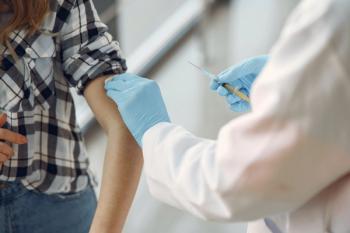
Whether to make getting the COVID vaccine mandatory for health care workers is something that needs to be worked out against a backdrop that sees the recent surge subsiding and states starting to reopen.
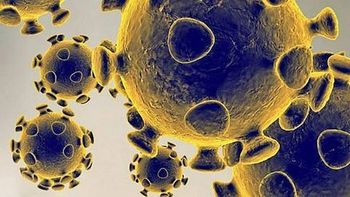
British Prime Minister Boris Johnson said that the B.1.1.7 variant of COVID-19 which was said to be 50% to 70% more contagious, has now been discovered to also be 30% deadlier. The CDC warns it could become the dominant strain in the US by March.
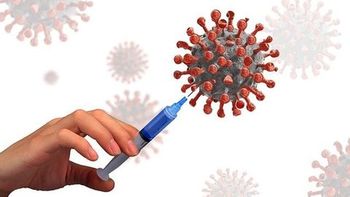
Infection preventionists can coordinate with physicians and other subject matter experts on common areas of vaccine hesitancy among staff, and work with key stakeholders to address them. As vaccine rollouts begin, IPs can also partner with occupational health teams to track and trend compliance with vaccination.

Hand hygiene is always important, but during this pandemic it’s crucial to preventing transmission. Now technology is making it possible for hospitals not only to monitor compliance, but also potential viral exposure.

Too often the tracking of the use and disinfection is done with pen and paper. That's what leads to problems, says Michael Cousin.
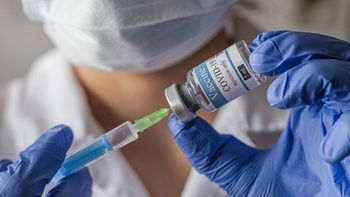
Anthony Harris, MD, MBA, MPH: “There are a number of ways that [infection preventionists] are going to continue to be on the frontlines helping us fully understand the impact of COVID-19 and get to the other side of it.”
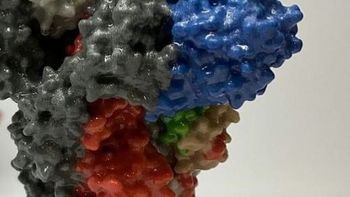
There are pieces of novel variants that we’re still learning about, like the impact to therapies and how these variants might affect what we know about COVID-19, like reinfection.
Devin Jopp, EdD, MS: “I think from sports teams to hospitality to construction sites, to many, many more, the infection prevention field will absolutely be bulging.”

Infection preventionists have the skill set to provide guidance beyond the health care setting. We know how to select PPE and how to use it. Cleaning and disinfection are like breathing to us.
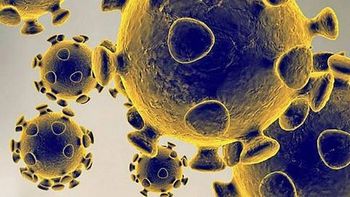
If quick action isn’t taken, then the highly infectious B.1.1.7 variant of COVID-19 will become the main variant in the United States by March, further burdening our already overburdened health care system.
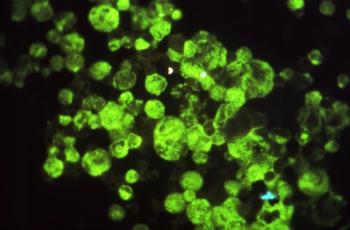
Infection preventionists need to educate primary health providers on the importance of utilizing monoclonal antibodies to prevent hospitalizations from severe COVID-19.
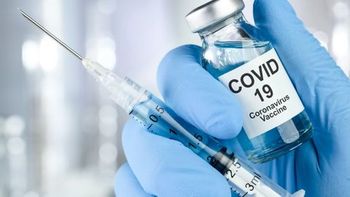
Linda Spaulding RN, BC, CIC, CHEC, CHOP: “There’s not enough literature out there yet to say that once you get the vaccine, you won’t get COVID again, and the literature that is out there says that once you get the vaccine, even if you don’t get COVID again, you can still be an asymptomatic carrier.”
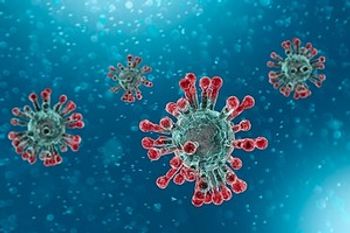
It’s possible that infection preventionists and other health care workers who caught COVID-19 in the first wave can be reinfected.

Many members of environmental service teams feel underappreciated and these health care professionals are not trained in any systematic and continuous way, a study states.
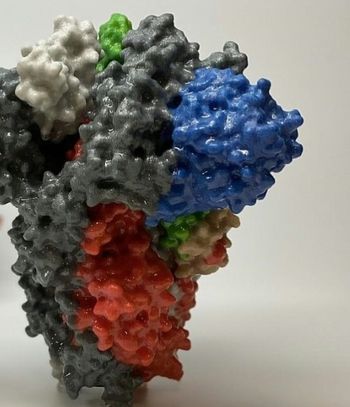
Within the South African COVID strain scientists have found what they’re calling an “escape mutation” named E484K. It’s feared that this escape mutation will do just what the name implies—allow 501.V2 to escape vaccine antibodies.

Cedric Steiner: “But the nursing home…. One could make an argument that [infection control is] more important there in some ways, because you have those residents in smaller spaces."

Assume that everybody in a hospital setting is an asymptomatic carrier of COVID-19, two recent studies suggest.