
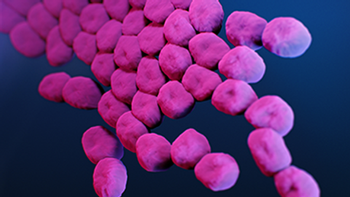
Priya Nori, MD: “The immediate thing that the health care industry has to grapple with, even as COVID hopefully starts to settle down after the mass vaccination campaign … [will be] superbugs.”
Priya Nori, MD: “The immediate thing that the health care industry has to grapple with, even as COVID hopefully starts to settle down after the mass vaccination campaign … [will be] superbugs.”
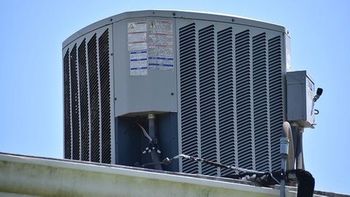
It is my advice that building managers seriously consider these measures, many of which are low cost and generate universal prevention measures.
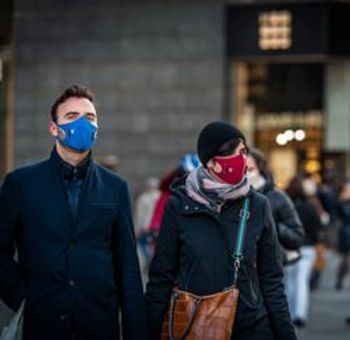
“The COVID-19 pandemic has been a stark and painful reminder that nobody is safe until everyone is safe.”

The study states that it is “extremely unlikely” the pandemic virus occurred through a laboratory leak in Wuhan, China.

Evidence shows that bacteria on floors can be resuspended into the air with a potential of inhalation, swallowing, or contamination of surfaces and hands.
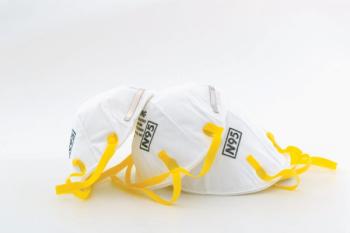
Here, we will review 3 common sterilization modalities currently in use for N95 respirator decontamination, how they work, and their strengths and limitations.

Infection prevention certification is not what it used to be—it is more valuable. It’s not for a few experts; it’s for the frontline IP in any health care setting that chooses to demonstrate competency.

Even assuming that up to 75% of people testing positive wouldn’t follow isolation guidance, the tests would greatly curtail infection, hospitalization, and death, argue investigators. The cost to the health care system would be worth it, investigators say.
Michael L. Millenson: “The CDC will pay more attention to infections. But there’s also an asterisk here. Will Congress continue to pay attention to infections? Will the administration’s budget continue to pay attention to infections? Will the media continue to pay attention to infections?”

Beau Wangtrakuldee, PhD: “In the health care industry in general, small sizes are typically based on Caucasian males, so once you get to women who truly have smaller frames there are no products available for them.”
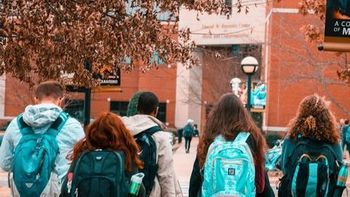
The heavy burden on schools to reopen with distancing has increasingly become an issue as it often prevents fully reopening full classrooms, which is complex topic and one that carries with it a lot of nuance.
Arjun Srinivasan, MD: “There’s a lot of potential for synergy between the infection prevention program and the antibiotic stewardship program.”
Investigators propose that their simulation models can be used in educating nurses and other health care professionals about how best to maintain good hand hygiene, and also where best to put alcohol-based hand disinfectants.

The same mutation is found in the variant in Brazil but more disturbingly it is found in the New York variant.
No deadline was given for when these goals should be reached and some of the data to be used will depend on hospitals voluntarily releasing their numbers to the CDC.
Sharon Ward-Fore, MS, MT(ASCP), CIC: "We’ve learned the hard way that restaurants, office settings, hair salons, fitness centers, and schools have really suffered for the lack of guidance by professionals like infection preventionists."
SARS-CoV-2 is aerosolized. If a non-vaccinated person who is shedding the virus visits a vaccinated relative in a nursing home, he can easily spread the virus to all who reside in the facility.
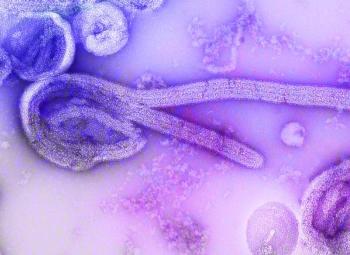
That an entirely new outbreak of Ebola would be triggered by a latent infection 5 to 6 years after the initial infection is deeply worrisome.
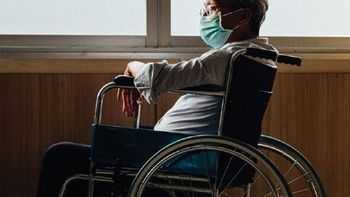
COVID-19 outbreak hits Kentucky nursing home a week after CMS relaxes visiting restrictions.
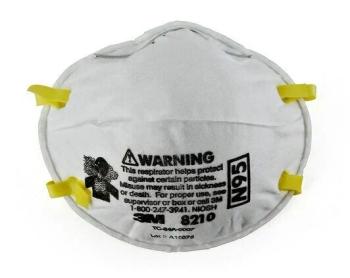
The shape and material composition of the N95 respirators varied widely from manufacturer to manufacturer, which can result in variations in the efficacy of a particular method from one product to the next.
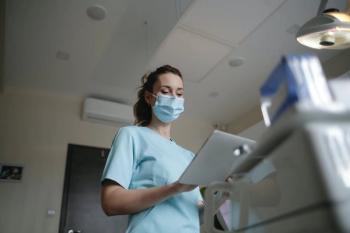
Investigators conclude that asymptomatic carriers increased the duration of the pandemic. Every patient should be tested for COVID-19.

Abby Basalely, MD: “The majority of children will recover from MIS-C and we see them thriving and doing well post hospitalization if they need hospitalization for the syndrome.”
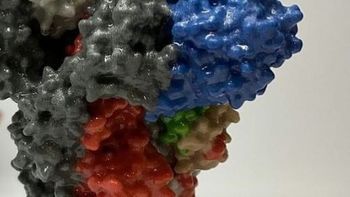
The CMS update on when nursing home residents can have visitors raises grave concerns. The recommendation appears to assume that herd immunity is reached at 70%.
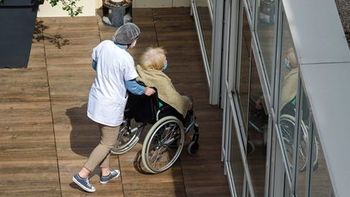
In CMS’ official announcement easing restrictions for visiting nursing homes, no mention was made of the year anniversary—marked today—of when the WHO officially labeled COVID-19 a global pandemic. Still, in so many words, the agency said enough is enough.

Tanya Lewis, CRCST: “I just think that infection preventionists and sterile processors should always work as a team. It should always be a team effort. It’s not them or us. It’s not sterile processing. It’s not infection prevention, but it’s us as a team. And that’s the way we’re going to keep our patients safe.”
Yes, fully vaccinated people can relax some of the social distancing protocols that we’ve all been chaffing under this year. However, understand the nuances.
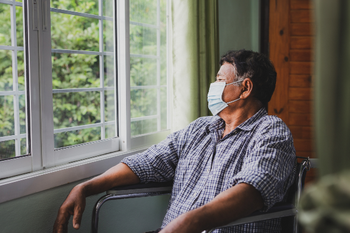
Difficulties in communicating with the elderly necessitate close speaking. These circumstances are a ripe atmosphere for spreading respiratory diseases. While residents were largely isolated from the broader population, their caretakers were not.
The CDC guidance states that persons past 2 weeks of their final COVID-19 vaccine dose face little risk from unmasked, non-distancing indoor visiting of unvaccinated, low-risk members from a single household.
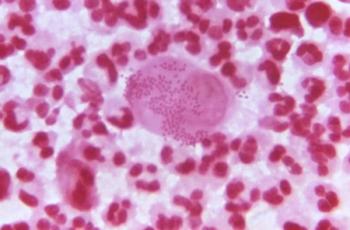
Even with effective screening, treatment, and education, STIs can be like movie villains who just won’t die, who change form, and who keep coming back to wreak havoc. They’re relentless, but so is science.