

Hospital employees performed hand hygiene under the gaze of infection preventionists, and the study data were gathered during the COVID-19 pandemic.
Hospital employees performed hand hygiene under the gaze of infection preventionists, and the study data were gathered during the COVID-19 pandemic.

If you work in a health care facility, you need to be vaccinated against SARS-CoV-2. If you choose not to become vaccinated, then you should choose not to be working in a health care setting.

Though spring is in the air and we’re all anxious to get our old lives back, we’re not quite out of the COVID-19 woods yet.

Investigators University of Michigan-Flint, School of Nursing noted that the Cooper Tool and the Stone criteria are similar but use different methods to arrive at a UTI diagnosis.
The inspection was initiated after reports had come to the surface that workers at the plant had accidently contaminated J&J doses with the virus from the AstraZeneca vaccine, which is also manufactured there.

Kaiser Family Foundation: “Federal, state, and local officials, and the private sector, will face the challenge of having to figure out how to increase willingness to get vaccinated among those still on the fence.”
Luke Daum, PhD: “With regards to testing in the US, no other country compares to us. We do a great job in all 50 states of testing, having turnaround testing for using qPCR collection for at-home, or through the drive-through centers at CVS or Walgreens.”
It’s important to match COVID-19 masking rules to reasoning behind them.
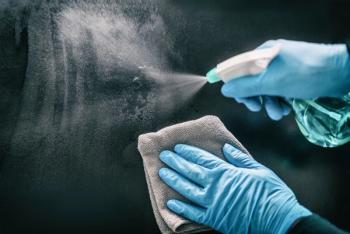
The risk of COVID-19 surface transmission is low, says the CDC, and is especially low outdoors.
Meri Pearson, MPH, CIC: “Infection preventionists still need to do those active audits to make sure that they’re actually seeing what’s happening at the bedside.”
The number of syphilis cases in 2000 raised hopes that it could be eradicated, but since 2015 cases have risen 74%.
Christina Yen, MD: “For any infection preventionists who are thinking about or are reviewing the need for VHP sometime in the future, just know that those colleagues that we’ve relied on this time around are going to be there and are going to be your partners in the VHP process.”
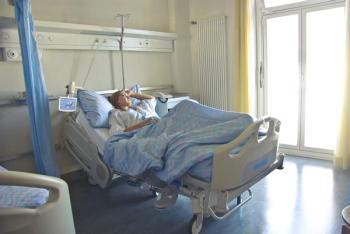
The lessons infection preventionists at the University of Mississippi Medical Center learned from an outbreak of respiratory illness at the facility’s NICU in 2019, were later used to help deal with the COVID-19 pandemic.
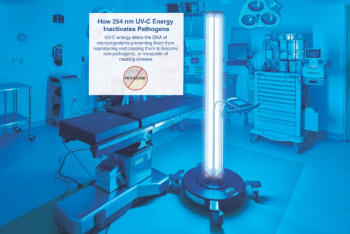
Ultraviolet light should be used in concert with traditional cleaning and disinfection procedures utilized by environmental services teams, study’s author maintains.
The infection prevention and business intelligence teams at Piedmont Healthcare put their heads together to streamline the process of tracking health care-acquired infections.

Emilie Bédard, PhD: “We worked in collaboration with infection prevention, environmental services…. We had a multi-disciplinary team to make sure that we would look at all aspects of this approach.”
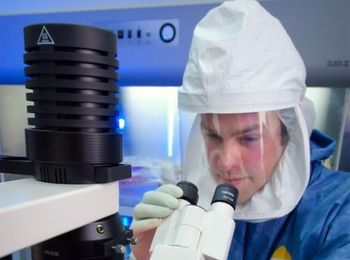
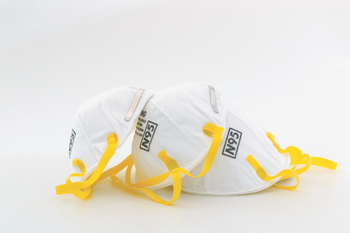
Surgical masks offer better protection against aerosolized particles than face shields or even better than face shields and surgical masks used together, study finds.

The multidisciplinary team included NICU nurses, physicians, nurse practitioners and, perhaps most important of all, environmental services personnel. “We met with the environmental services staff, and we explained to them that this is a critical situation in the neonatal ICU. And this cannot spread more.”
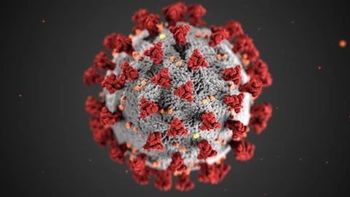
Joachim L. Schultze, MD: “We decided that the knowledge that we have in immunology, as well as in genomics and single-cell technology, should be used to understand this new disease.”

Stand with the 7000 other infection preventionists who decided it’s important to be certified. It isn’t easy, but the satisfaction of this achievement far outweighs the preparation needed to pass.
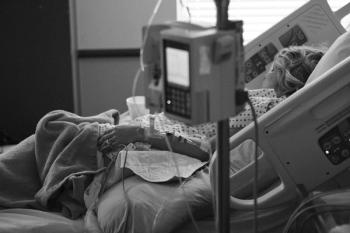
One thing that will haunt me and many health care personnel in both acute care and LTCFs forever is that so many people died without a family member at their bedside.

The CDC and FDA are expected to announce an immediate pause for administering the one-shot adenovirus Ad26.COV2.S while advising states distributing the product to consider doing the same.
Those fully vaccinated had 90% protection against infection regardless of symptoms and even partial immunization yielded 80% protection against infection.

“APIC will be focused on conducting research on how health equity and health disparities should be addressed in the field of infection prevention and control including designing interventions…”
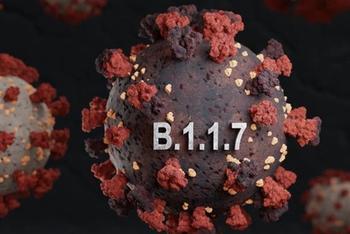
Infection preventionists (IPs) are now faced with delivering a difficult message. It is much easier to advocate for vaccinations which prevent disease, than it is for vaccinations which lessen the severity of disease or reduces your chances of becoming infected.

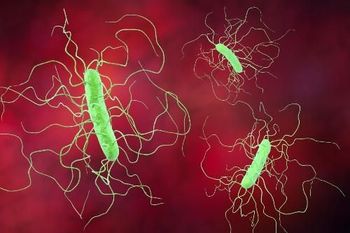
The study comes at a time when—despite all the attention and health care resources being thrown at COVID-19—medical experts have begun to turn a wary eye toward bacteriological pathogens.

When outbreaks have been reported in hospitals that are using universal masking, unmasked exposure to other health care workers is often the cause. Transmissions have been traced to break rooms and cafeterias.
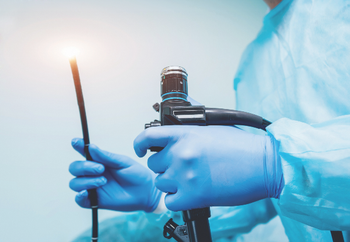
The FDA wants providers to know about “contamination issues associated with reprocessing urological endoscopes, including cystoscopes, ureteroscopes and cystourethroscopes—devices used to view and access the urinary tract.”
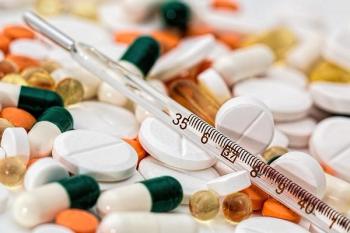
Getting to know community pharmacists—in fact developing a professional rapport with those pharmacists—should be on an infection preventionist’s to-do list.

From a global health and infection prevention perspective, “normal” is what got us here—a state of poor preparedness, underfunded health departments, and neglected hospital preparedness for a pandemic.