
A little information can go a surprisingly long way when it comes to understanding rodent-borne infectious disease, as shown by a new study led by John Orrock from the University of Wisconsin-Madison.
A little information can go a surprisingly long way when it comes to understanding rodent-borne infectious disease, as shown by a new study led by John Orrock from the University of Wisconsin-Madison.
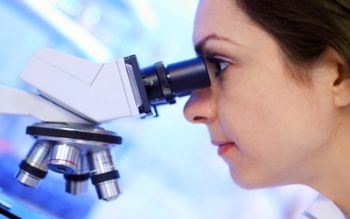
To understand where clinical microbiology is going in the future, it's helpful to take a quick trip back in history. Years ago, the Study on the Efficacy of Nosocomial Infection Control project established the scientific basis for claims of efficacy of hospital-acquired infection surveillance and control programs, and the importance of clinical microbiology laboratories (CMLs) was emphasized. (Scheckler, 1998).
The meaning of the standard fecal coliform test used to monitor water quality has been called into question by a new study that identified sources of Escherichia coli bacteria that might not indicate an environmental hazard.