



Environmental Services
Latest News
Advertisement
Advertisement
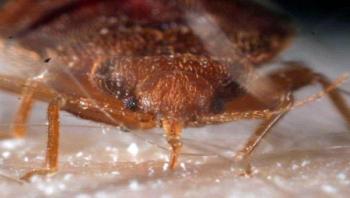
Products that claim to control bed bugs have been on the market for years. Some work, and some don't. Dr. Susan Jones, a professor of entomology at Ohio State University, knows this as well as anyone, after having tested many such products for years. While there have been some flops in the past, she and her colleagues have found one that looks promising as a new tool for bed bug control programs. The results of their research are published in an article in the Journal of Medical Entomology.

Patients can be at their most vulnerable when they are in a critical care environment of the operating room (OR) or the intensive care unit (ICU). That's why it's essential that these two areas of the hospital receive scrupulous environmental cleaning and disinfection per recommended practices. This Pulse explores environmental cleaning and disinfection issues pertaining to the OR and the ICU.
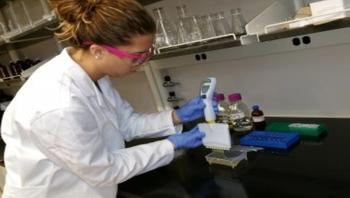
Chlorine, a disinfectant commonly used in most wastewater treatment plants, may be failing to completely eliminate pharmaceuticals from wastes. As a result, trace levels of these substances get discharged from the plants to the nation’s waterways. And now, scientists are reporting preliminary studies that show chlorine treatment may encourage the formation of new, unknown antibiotics that could also enter the environment, potentially contributing to the growing problem of antibiotic resistance.
Advertisement
Advertisement
Trending on Infection Control Today
1
UPMC’s Genomic Surveillance Award Opens the Door to Funding Conversations
2
Proposed AHRQ Cut Raises Questions About Infection Prevention Research and Support
3
Measles Took 5 Children in 8 Days. A Century Later, Their Story Still Matters
4
How Purposeful Infection Prevention Rounding Supports Patient Safety and EVS Collaboration
5