




The FDA’s new mandate requiring clearance for UVC disinfection devices is reshaping the infection prevention landscape, ensuring only proven, science-backed technologies are used to protect patients.
The FDA’s new mandate requiring clearance for UVC disinfection devices is reshaping the infection prevention landscape, ensuring only proven, science-backed technologies are used to protect patients.
The HHS has launched a $100 million pilot program to eliminate hepatitis C in high-risk populations, an effort that infection prevention professionals can help shape by extending control strategies beyond hospital walls and into underserved communities.

In a decision heavy with consequence and light on foresight, the US has once again chosen to walk away from UNESCO, leaving behind not just a seat at the table, but a legacy of global scientific leadership that now lies in question.
This Hot Topics for IPC covers the latest on ASPR, AMR, vaccines, and a study on AMR and livestock manure from Michigan State University.
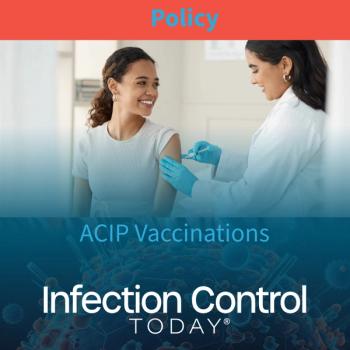
In its first major session under newly appointed leadership, the revamped Advisory Committee on Immunization Practices (ACIP) voted to support flu and RSV vaccinations for the 2025–2026 season, but internal debate over vaccine preservatives, access equity, and risk assessment highlighted the ideological and scientific tensions now shaping federal vaccine policy.
As the newly appointed Advisory Committee on Immunization Practices (ACIP) met for the first time under sweeping changes by HHS Secretary Robert F. Kennedy Jr, the national spotlight turned to the panel’s legitimacy, vaccine guidance, and whether science or ideology would steer public health policy in a polarized era.
This Hot Topics for IPC covers the latest on ACIP, vaccines, and a study on contact precautions for MRSA.
Health leaders are outraged after HHS Secretary Robert F. Kennedy Jr. abruptly fired all 17 members of the CDC’s vaccine advisory panel, calling it a political purge that threatens public trust and vaccine safety.
As federal cuts reshape public health, students nationwide are reacting with fear, frustration, and renewed resolve as they face an uncertain future in the field.
The CDC’s updated hospital respiratory reporting requirement has added new layers of responsibility for infection preventionists. Karen Jones, MPH, RN, CIC, FAPIC, clinical program manager at Wolters Kluwer, breaks down what it means and how IPs can adapt.
Policy changes made by Robert F. Kennedy Jr as the HHS Secretary are alarming health care providers, including changes in water fluoridization, COVID-19 vaccine recommendations, and more.
This issue covers COVID-19, measles, H5N1, screwworms, bedbugs, AI, and more.
In a major shift, the CDC has pulled routine COVID-19 vaccine guidance for healthy children and pregnant women, sparking sharp reactions from medical leaders.

In a strong statement, Devin Jopp, CEO of APIC, and Leah Binder, CEO of The Leapfrog Group, urge health care leaders to strengthen their commitment to infection prevention and control (IPC).
HHS Secretary Robert F. Kennedy Jr. faced intense scrutiny over sweeping budget cuts and public health reforms during back-to-back hearings on Capitol Hill this week.
As infection prevention infrastructure unravels, professionals face déjà vu from the pandemic’s darkest days—making resilience not just important, but essential for survival and progress.
The disbanding of HICPAC has left infection prevention experts scrambling to preserve national standards and ensure continuity amid growing concern over science-driven public health policy. Connie Steed, MSN, RN, CIC, FAPIC, speaks with ICT.
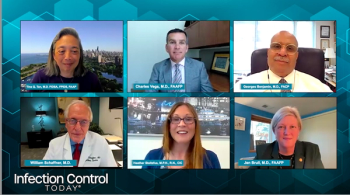
In 2025, vaccine science is thriving—but trust is faltering. ICT and Medical Economics convene experts to examine policy shifts, hesitancy, and the path forward through evidence and empathy.
This week’s Infection Control Today’s Hot Topics in IPC discusses the latest in the measles outbreak, H5N1 in cattle herds, HICPAC, and more.
The abrupt disbanding of HICPAC silences decades of infection control expertise, leaving health care workers without unified guidance as deadly threats to patient safety rise.
The proposed elimination of ASPR’s Hospital Preparedness Program in the 2026 federal budget could dismantle essential emergency readiness infrastructure and jeopardize national health care safety.
What truly occurred during the COVID-19 pandemic? Is the new COVID.gov website accurate for those who worked in public health throughout the pandemic? A public health worker answers.
This week’s Infection Control Today’s Hot Topics in IPC discusses the latest in the measles outbreak, H5N1 in cattle herds, and more.
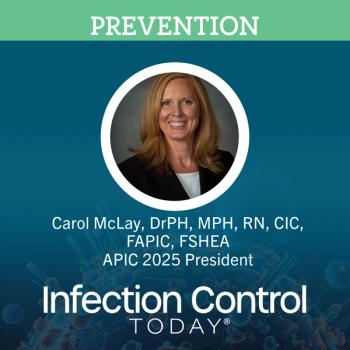
As measles cases rise and vaccine misinformation spreads, Infection Control Today spoke with APIC President Dr Carol McLay about restoring trust in immunization.
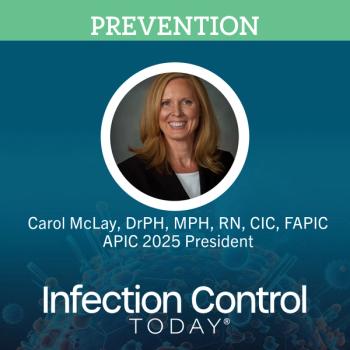
Mass federal layoffs threaten infection prevention nationwide, with APIC president Carol McLay, DrPH, MPH, RN, CIC, FAPIC, FSHEA, warning of disrupted public health infrastructure, rising HAIs, and a diminished infection control workforce.