


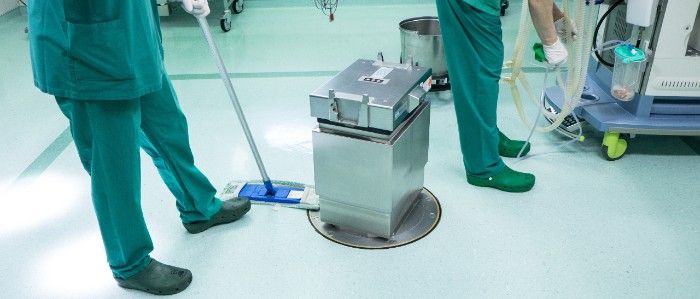



A new comprehensive article lays out best practice guidelines for 14 areas of infection prevention and control.
A new comprehensive article lays out best practice guidelines for 14 areas of infection prevention and control.

New study describes the case report and gives guidelines on how to prevent infection in the home.

Take 5 minutes to catch up on Infection Control Today’s highlights for the week ending May 13.
Take 5 minutes to catch up on Infection Control Today’s highlights for the week ending May 6.
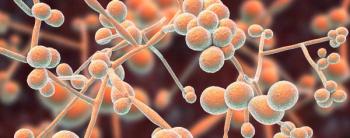
Candida auris environmental contamination is unlikely to be adequately controlled because re-contamination occurs within hours after disinfection.
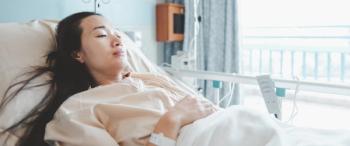
A patient has a higher risk of infection of C difficile in a hospital bed that previously held a patient who also had C difficile.
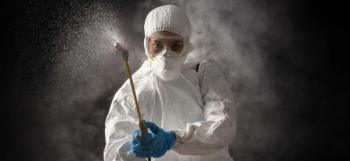
Time, staff, and budget constraints make it difficult to expand HAI mitigation programs despite the obvious and urgent need to do so.
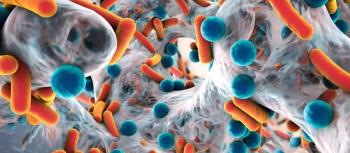
The surface material and product damage caused by new advances in disinfection technology must be addressed for patient safety.
Take 5 minutes to catch up on Infection Control Today’s highlights for the week ending April 29.
Take 5 minutes to catch up on Infection Control Today’s highlights for the week ending April 15.

Previously, reduction of other organisms, like VRE, C difficile, and MRSA had been demonstrated by this combination.

The contamination was found during another study that involved culturing surfaces before and after routine daily cleaning/disinfection.

One of the reasons that S aureus and C diff present such a disinfection challenge is that they are encased in a biofilms such as yeast, protozoa, bacteria, fungi, and algae.
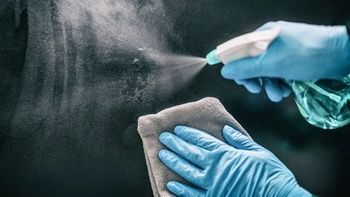
Between the trifecta of departments responsible for infection prevention—EVS, nursing and infection prevention—it’s every individual’s responsibility to ensure surface cleaning and disinfecting are done quickly and effectively.
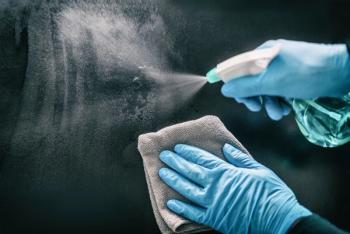
The risk of COVID-19 surface transmission is low, says the CDC, and is especially low outdoors.
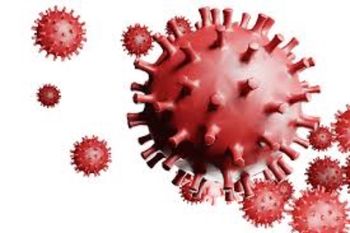
Researchers from China recommend disinfecting the air, alongside, sanitizing surfaces, to reduce exposures and transmission.

With inadequate disinfection practices, healthcare workers are much more likely to acquire pathogens on their hands after touching these surfaces, potentially passing them on to patients.
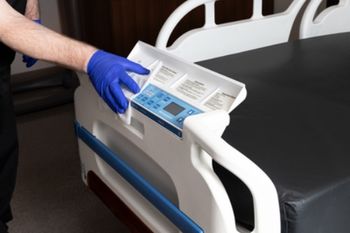
Many studies have shown that disinfection of surfaces is suboptimal and effective disinfection requires not only an effective product but also, effective practice. The surface must be completely and thoroughly wiped with an adequate number of antimicrobial wipes effective against the target pathogen and a contact time specified by the label instructions.