




Thorough cleaning and disinfection reduce the role fomites play in the spread of disease.
Thorough cleaning and disinfection reduce the role fomites play in the spread of disease.

Environmental services teams (EVS) are crucial players in ensuring patient satisfaction and combating health care–associated infections, yet, too many EVS teams are invisible. They deserve recognition, and this article by environmental hygiene experts explains why and how to give appreciation effectively.

Viruses and other contaminants affect the air quality in health care, businesses, and homes. Listen to ICT®’s discussion about what should be done, and how one company is tackling the issue.

Take 5 minutes to catch up on Infection Control Today’s highlights for the week ending September 23.
With the debate swirling around the efficacy and safety of UV-C technology, an individual needs which generation the product is. Infection Control Today® continues its ongoing special reporting on UV-C technology.
Despite studies that show UV-C is effective and safe, some individuals still refuse to believe it, based on experience with or studies based on first generation UV-C technology.
Take 5 minutes to catch up on Infection Control Today’s highlights for the week ending September 9.
Infection Control Today's® Product Locator is a monthly column highlighting some of the latest advanced technology in the infection prevention field.
Take 5 minutes to catch up on Infection Control Today’s highlights for the week ending August 19.

Last week the Centers for Disease Control and Prevention relaxed recommendations which neither control or prevent a rapidly evolving and disabling disease, COVID-19. However, we must maintain effective efforts to control spread of the virus.
Take 5 minutes to catch up on Infection Control Today’s highlights for the week ending August 12.
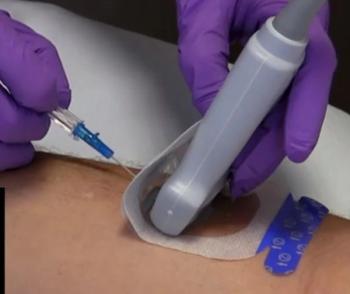
Using ultrasound transducers is often necessary in the emergency department, but too often the proper procedures to protect against health care associated infections are not followed, and clinicians are worried.

A carbapenem-resistant Acinetobacter baumannii (CRAB) cluster was identified and stopped because of due diligence of the infection preventionists at an acute care facility in Louisiana.
Take 5 minutes to catch up on Infection Control Today’s highlights for the week ending August 5.
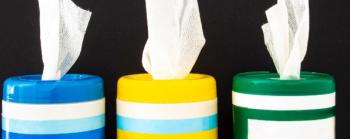
Standardizing disinfectant wipes across multiple facilities requires comparing active ingredients, kill claims, and dwell times.

Foodborne illnesses can be prevented by breaking the chain of infection and eliminating elements of the kitchen from becoming reservoirs for pathogens to flourish.
Take 5 minutes to catch up on Infection Control Today’s highlights for the week ending July 22.
Environmental sources of pathogen organisms can sometimes be difficult to narrow down in a health care facility. One possible source of transmission is the laundry used, and not maintaining strict cleanliness attention can put both patients and workers at risk.
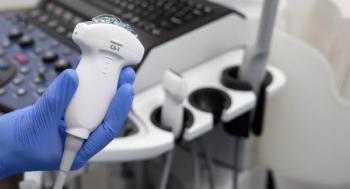
Improper standards complicate cleaning and disinfecting and can represent a wasteful use of resources, specifically when facilities also may lack access to high-level technology.
For terminal cleans, investigators studied the effect of UV-C disinfection added to chlorine-based disinfectants on the likelihood of MDRO transmission from the source occupant to subsequently exposed occupants.
Take 5 minutes to catch up on Infection Control Today’s highlights for the week ending July 8.

A recent study by NYU Langone investigators determined that disinfecting high-touch surfaces within patient rooms with NaDCC via wipes and electrostatic sprayers yielded lower mean bacteria colony counts.

Two patients were found with C auris in the CVAHCS beginning in October 2020, and a recent study describes how the facility handled the situation.
Take 5 minutes to catch up on Infection Control Today’s highlights for the week ending June 24.

Eradicating pathogens on both the floors throughout the hospital, especially patients’ rooms, and within the NICU isolettes is the focus of 2 posters presented at APIC 2022.