News

New data released today by the European Centre for Disease Prevention and Control (ECDC) and the WHO Regional Office for Europe ahead of World TB Day show that new tuberculosis (TB) cases and deaths in the 53 countries of the WHO European Region declined each year by 4.3 percent and 8.5 percent respectively between 2011 and 2015.

An extensive review of research on wild primate social networks and parasites underscores the importance of super-spreaders, or central individuals that play an outsized role in transmission of a pathogen. Trends in Parasitology published the review, the first comprehensive synthesis of environmental and theoretical studies of disease dynamics in wild primate species -- most of which are now threatened with extinction.

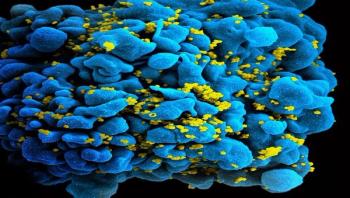
The authors compared the CD4+ T-cell counts and HIV-1 RNA viral loads of 383 patients who were either mono-infected with HIV or co-infected with HTLV-1/HIV. They confirmed that co-infected patients were more likely to have higher CD4+ T-cell counts prior to treatment initiation with no immunologic benefit--a result that has been well documented in scholarly literature. Any differences in the CD4+ T-cell counts were expected to disappear once the co-infected and mono-infected patients began to fail their antiretroviral therapy (ART) regimens.Instead, the authors found that HTLV-1/HIVco-infected patients continued to have elevated CD4+ T-cell counts, on average 115 cells/μL higher than their HIV mono-infected counterparts, over the two-year study period. But when the authors compared the HIV viral loads over the same period, they could not find any statistically significant difference between the two groups of patients. HIV viral load testing is currently recommended by the World Health Organization (WHO) as an accurate strategy for monitoring a patient's response to ART. Nevertheless, CD4+ T-cell testing is often used in resource-limited settings because it is perceived to be more affordable. The continued use of CD4+ T-cell testing has implications for the clinical management of HIV-positive patients. Results from the present study suggest that HTLV-1/HIV co-infection could delay the identification of patients who are failing ART with adverse consequences.Against this background, recent scientific research has begun to show that HIV viral load testing can be both an accurate and cost-effective treatment monitoring strategy. The present study was based in the KwaZulu-Natal province of South Africa and used patient data from a poor and rural community at the epicenter of the global HIV epidemic.Source: Bentham Science Publishers

There are more than 25 drugs to control HIV, yet the virus remains one of the world’s biggest health problems. One of the many challenges with existing therapies is that a dormant version of the virus is always lurking in the background, ready to attack the immune system as soon as treatment is interrupted. Now, new research from the Rockefeller University and the National Institutes of Health suggests that treatment with two anti-HIV antibodies immediately after infection enables the immune system to effectively control the virus, preventing its return for an extended period.

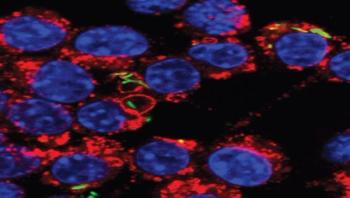
Researchers from Princeton University's Department of Molecular Biology have developed a new method that can precisely track the replication of yellow fever virus in individual host immune cells. The technique, which is described in a paper published March 14 in the journal Nature Communications, could aid the development of new vaccines against a range of viruses, including Dengue and Zika.

Frozen and freeze-dried products for fecal microbiota transplantation (FMT) are nearly as effective as fresh product at treating patients with Clostridium difficile (C. diff) infection, according to researchers at the University of Texas Health Science Center at Houston (UTHealth) School of Public Health and Kelsey Research Foundation. A new study, which proves that a pill form of treatment could be effective and more convenient for patients and physicians, was published in the most recent issue of Alimentary Pharmacology & Therapeutics.