
News
Advertisement
Advertisement

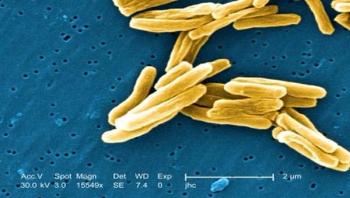
As one of the most successful intracellular pathogens, Mycobacterium tuberculosis (Mtb) causes 8 million cases of tuberculosis and 1.3 million deaths worldwide annually. During the course of infection, Mtb is exposed to diverse redox stresses that trigger metabolic and physiological changes.
Advertisement
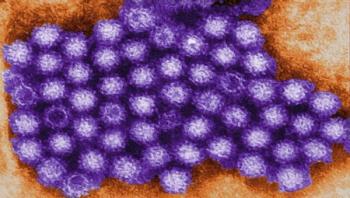
Norovirus is the most common viral cause of diarrhea worldwide, but scientists still know little about how it infects people and causes disease. Research has been hindered by an inability to grow the virus in the lab. Now, researchers at Washington University School of Medicine in St. Louis have identified the protein that norovirus uses to invade cells. The discovery, in mice, provides new ways to study a virus notoriously hard to work with and may lead to treatments or a vaccine.


There are four globally endemic human coronaviruses which, together with the better known rhinoviruses, are responsible for causing common colds. Usually, infections with these viruses are harmless to humans. DZIF professor Christian Drosten, Institute of Virology at the University Hospital of Bonn, and his research team have now found the source of HCoV-229E, one of the four common cold coronaviruses--it also originates from camels, just like the MERS virus.

Zika infection kills off neural stem cells in adult mice bred to be vulnerable to the virus, researchers at the Rockefeller University and the La Jolla Institute for Allergy and Immunology report August 18 in Cell Stem Cell. It has yet to be studied whether the death of these cells has any short or long-term effects in the rodents.



People infected with Ebola virus were 20 percent more likely to survive if they were co-infected with malaria-causing Plasmodium parasites, according to data collected at an Ebola diagnostic laboratory in Liberia in 2014-15. Moreover, greater numbers of Plasmodium parasites correlated with increased rates of Ebola survival, according to a dozen collaborating research groups in the new study, published in Clinical Infectious Diseases. The survival difference was evident even after controlling for Ebola viral load and age. Scientists from the National Institute of Allergy and Infectious Diseases, part of the National Institutes of Health (NIH), led the project.


A study led by McMaster University researchers has found that, contrary to recent reports, flu nasal sprays provide similar protection against influenza as standard flu shots.

Working with Ministries of Health in Angola and the Democratic Republic of Congo, the World Health Organization (WHO) is coordinating 56 global partners to vaccinate more than 14 million people against yellow fever in more than 8,000 locations. The yellow fever outbreak has found its way to dense, urban areas and hard-to-reach border regions, making planning for the vaccination campaign especially complex.

St. Jude Children's Research Hospital immunologists have identified the protein trigger in the body's quick-reaction innate immune system that specifically recognizes the influenza virus in infected cells and triggers their death.
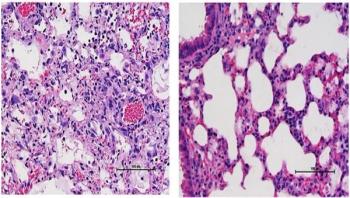
Researchers have discovered that secondary infection with the methicillin-resistant Staphylococcus aureus (MRSA) bacterium often kills influenza patients because the flu virus alters the antibacterial response of white blood cells, causing them to damage the patients’ lungs instead of destroying the bacterium. The study, which will be published online August 15 ahead of issue in the Journal of Experimental Medicine, suggests that inhibiting this response may help treat patients infected with both the flu virus and MRSA.
Advertisement
Advertisement
Trending on Infection Control Today
1
What Is Trichophyton indotineae? Drug-Resistant Ringworm Spreads to 29 Countries
2
Infection Control Today Launches First Digital Magazine for Infection Prevention Professionals
3
What Is Causing the 2026 US Measles Outbreak? Vaccination Rates, Travel, and Immigration Examined
4
ICT Weekly Rounds – September 17, 2026: RIngworm, Measles, Ebola Updates
5