
News
Advertisement
Advertisement

Advertisement
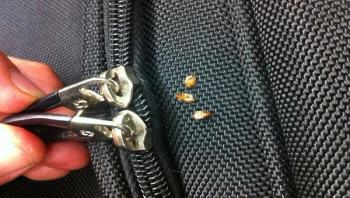
New research indicates that brief heat treatment is a promising way to decrease the spread of bed bugs being transported on the outer surface of luggage. When soft-sided suitcases with male bed bugs on the outside were exposed to an air temperature of 70 degrees to 75 degrees C, it took only six minutes to kill all of the bed bugs, even those that had concealed themselves under zipper flaps or decorative piping. During heating, only one bed bug (out of 250 total) moved into the luggage (through a closed zipper). Also, at room temperature, only three percent of bugs placed on the outside of the suitcases had moved inside during a 24-hour period.
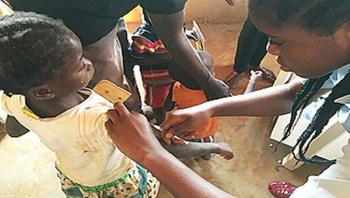
Yellow fever is an acute viral hemorrhagic disease transmitted by infected mosquitoes. The disease is difficult to diagnose because it has similar symptoms as a range of other diseases, such as malaria and dengue. With more than 5,000 suspected yellow fever cases and more than 400 deaths reported in Angola and Democratic Republic of the Congo, getting an accurate diagnosis is critical to saving lives and ending the outbreak.

A new, epidemic strain of C. difficile is proving alarmingly deadly, and new research from the University of Virginia School of Medicine not only explains why but also suggests a way to stop it. Until now, scientists have not understood what made this strain worse than other strains of the bacteria, the most common cause of hospital-acquired infections. The new strain kills up to 15 percent of infected patients, including those who receive antibiotics, and has become increasingly common over the last 15 years. This has prompted the federal Centers for Disease Control and Prevention to label it an "urgent threat."


Advertisement
Advertisement
Trending on Infection Control Today
1
What Is Trichophyton indotineae? Drug-Resistant Ringworm Spreads to 29 Countries
2
Infection Control Today Launches First Digital Magazine for Infection Prevention Professionals
3
What Is Causing the 2026 US Measles Outbreak? Vaccination Rates, Travel, and Immigration Examined
4
ICT Weekly Rounds – September 17, 2026: RIngworm, Measles, Ebola Updates
5