
News
Advertisement

Advertisement

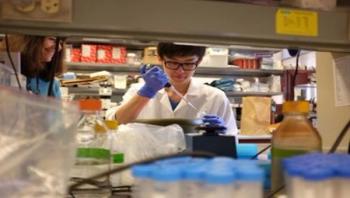
Researchers from the University of Chicago have shown that microbiota-the bacteria, viruses and other microbes living on the skin and in the digestive system-play an important role in the body’s ability to accept transplanted skin and other organs.
Advertisement

Promoting the value of infection prevention programs and securing the resources necessary to ensure the continued viability of such programs has become an imperative for the infection preventionist (IP) in the era of healthcare reform and increased demands on IPs' time. A new guidance document aims to provide an updated assessment of the resources and requirements for an effective infection prevention and control/healthcare epidemiology (IPC/HE) program.
From the front of the hospital classroom I saw the indifferent stares of 30 nurse residents. These first year nurses were participating in an employer sponsored program to facilitate their transition into clinical role as well as to support retention which is often unfortunately poor during this critical period in a professional RN career. However well-intended the residency program was, the lack of enthusiasm for my upcoming infection prevention update was unmistakable. As a long-time infection preventionist (IP), this was not particularly surprising, as few trainees seek out prevention content unless there is an imminent threat or some other infectious crisis. Overcoming such learner apathy – including the anticipated “we’ve heard this all before” attitude – is endemic to the infection prevention educational environment.


A new survey published in Open Forum Infectious Diseases suggests that many Americans don’t consider antibiotic resistance to be an important problem or fully grasp how resistance develops. A majority of survey respondents agreed that inappropriate antibiotic use contributes to antibiotic resistance (92 percent) while (70 percent) responded neutrally or disagreed with the statement that antibiotic resistance is a problem.
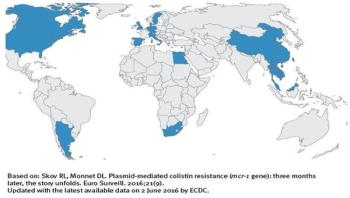
The recently recognized global distribution of the mcr-1 gene poses a substantial public health risk to the EU/EEA, asserts the European Centre for Disease Prevention and Control (ECDC). The gene is widespread in several continents and has been detected in bacteria isolated from multiple different sources such as food-producing animals, food, the environment and humans.
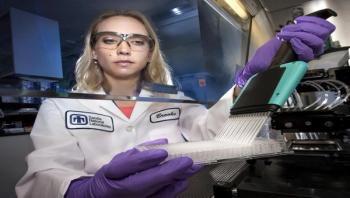
Viruses can't live without us -- literally. As obligate parasites, viruses need a host cell to survive and grow. Scientists are exploiting this characteristic by developing therapeutics that close off pathways necessary for viral infection, essentially stopping pathogens in their tracks. Rift Valley fever virus (RVFV) and other members of the bunyavirus family may soon be added to the list of viruses denied access to a human host. Sandia National Laboratories researchers have discovered a mechanism by which RVFV hijacks the host machinery to cause infection. This mechanism offers a new approach toward developing countermeasures against this deadly virus, which in severe human infections causes fatal hepatitis with hemorrhagic fever, encephalitis and retinal vasculitis.
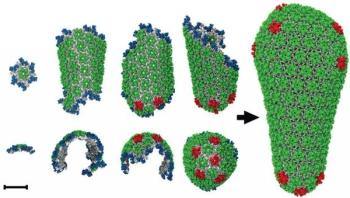
From a virus's point of view, invading our cells is a matter of survival. The virus makes a living by highjacking cellular processes to produce more of the proteins that make it up. From our point of view, the invasion can be a matter of survival too: surviving the virus. To combat viral diseases like HIV-AIDS, Ebola, and Zika, scientists need to understand the "life cycle" of the virus and design drugs to interrupt it. But seeing what virus proteins do inside living cells is extremely difficult, even with the most powerful imaging technologies. Now, University of Chicago scientists and their colleagues have developed an innovative computer model of HIV that gives real insight into how a virus "matures" and becomes infective. In doing so, it offers the prospect of help developing new anti-viral drugs and greatly extends what has been possible with computer simulations of biological systems. Their findings appeared in the May 13 edition of Nature Communications.
Advertisement
Advertisement
Trending on Infection Control Today
1
What Is Trichophyton indotineae? Drug-Resistant Ringworm Spreads to 29 Countries
2
Infection Control Today Launches First Digital Magazine for Infection Prevention Professionals
3
What Is Causing the 2026 US Measles Outbreak? Vaccination Rates, Travel, and Immigration Examined
4
ICT Weekly Rounds – September 17, 2026: RIngworm, Measles, Ebola Updates
5