
Memorial Hermann Hospital's targeted screening and isolation protocol for Candida auris significantly reduces patient exposure and spread, effectively ensuring safety and preventing health care-associated infections.
Memorial Hermann Hospital's targeted screening and isolation protocol for Candida auris significantly reduces patient exposure and spread, effectively ensuring safety and preventing health care-associated infections.
The ICER Collaborative addresses IPC gaps for EMS and firefighters, enhancing infection control through tailored training, advisory boards, and interagency collaboration based on year-1 findings as presented at APIC24.
Dry hydrogen peroxide (DHP) significantly reduces surface bioburden in long-term care facilities, enhancing infection control and lowering volatile organic compounds, as presented by Mary L. Cole, MS, RN, CNRN, CCRN, SCRN, CIC, at APIC24.
Andrea Flinchum, 2024 president of Certification Board of Infection Control and Epidemiology, INC (CBIC) explains the AL-CIP Certification at APIC Annual Conference in San Antonio, Texas.
APIC24: A Texas health care system's study found that electronic notifications and self-assessments for communicable disease exposure significantly improve efficiency and adherence in managing health care worker exposures.
A presentation at APIC 2024 will feature strategies for combating emerging pathogens, emphasizing preparedness for infection preventionists amid rising global health threats, including dengue, measles, and new unknown pathogens.
IPs discuss APIC's white paper, which highlights IPs frustrations with outdated and unclear medical device IFUs and the challenges they face.
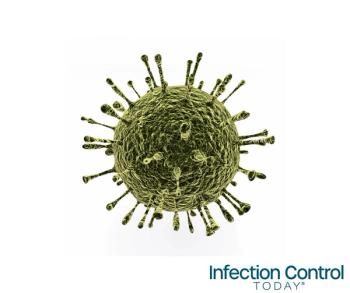
Alcohol-based hand sanitizers do not protect against norovirus, a highly contagious virus. Effective alternatives like hypochlorous acid-based sanitizers are crucial for better infection control.
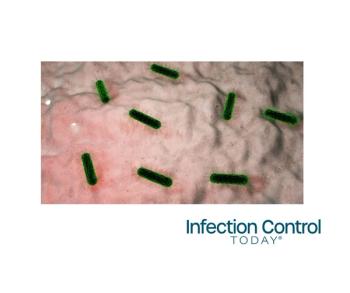
Bug of the Month helps educate readers about existing and emerging pathogens of clinical importance in health care facilities today.
APIC and IPAC Canada introduce the EIPAC Decision-Making Framework to guide health care professionals through ethical dilemmas in infection prevention, promoting fair and transparent decision-making.

At HSPA 2024, Lila Price, CRCST, CER, CHL, and Dannie O. Smith, III, BSc, CSPDT, CRCST, CHL, CIS, CER, emphasized accurate instrument labeling and demonstrated a game to improve communication between the operating room and sterile processing departments.

Happy Memorial Day from Infection Control Today!
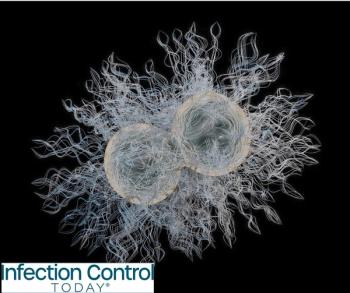
Phase III trial of zoliflodacin shows it as effective as current treatments for uncomplicated gonorrhea, highlighting its potential in combating rising antibiotic resistance.
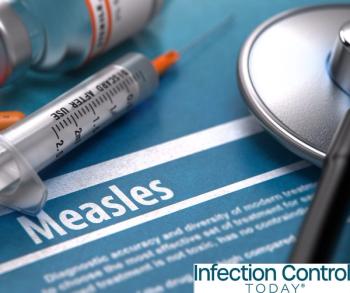
CDC's dynamic modeling and early mass vaccination effectively controlled a 2024 measles outbreak, highlighting the critical importance of vaccination and proactive public health measures.
To celebrate National Nurses' Month, Maryn Moreni, MSN, RN, CNE, discusses the self-care practices she incorporates into her life and teaches to her students.
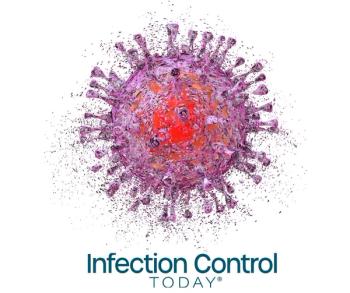
Hadassah Medical Organization's pooled saliva testing for newborns effectively screens for congenital cytomegalovirus, identifying asymptomatic cases and potentially reducing severe cognitive and auditory problems globally.
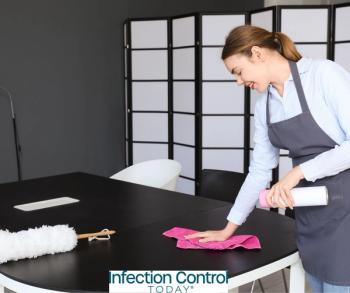
Eco-friendly cleaning in workplaces reduces health risks from harsh chemicals, improving employee wellness, reducing sick days, and enhancing productivity through better indoor air quality.

Dear Helpdesk gives advice to an Infection preventionist preparing for a new leadership role after a year of part-time consulting.

Bioburden testing measures microbial life on medical devices before sterilization, crucial for patient safety and compliance with international standards. Learn why it is vital in the health care setting.
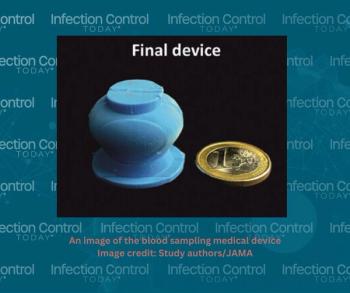
A new medical device uses microneedles and a suction cup to simplify blood sampling. It aids needle-phobic patients and benefits low-income regions with cost-effective diagnostics.

A recent study published in JAMA discusses the efficacy and safety of acetaminophen in sepsis patients.

Discover how SpaceWalker's innovative cooling solutions reduce carbon footprints and ensure pharmaceutical integrity, setting new standards in sustainable cold chain logistics.

On May 16, 2024, Association for Professionals in Infection Control and Epidemiology (APIC) published its recommendations in a report on updating medical device instructions for use (IFUs).
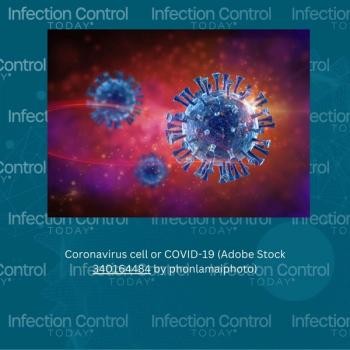
The WHO suggests changing terminology to better understand pathogen transmission through the air, emphasizing N95 mask use and improved ventilation.
Staying Ahead with Company Updates and Product Innovations. Read the news from Crothall Healthcare and Ascendco Health, Freestyle Partners, and Shionogi & Co.
Certification in infection prevention and control is essential for career growth, higher salaries, and improved patient outcomes. Learn why certification matters from Shazia Irum, MSC, MBA, RN, CIC, CPHQ, CBIC Ambassador in Saudi Arabia.
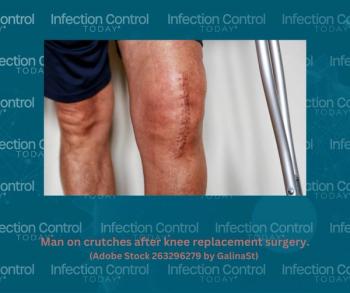
Systematic review identifies a 3.0% prevalence of surgical site infections in knee surgery patients, with factors like diabetes and tobacco contributing. Tailored interventions are crucial.

As a health care worker, are you struggling with work-life balance? Learn how setting boundaries empowers well-being, enhances relationships, and boosts productivity. Take the quiz to assess your boundaries.
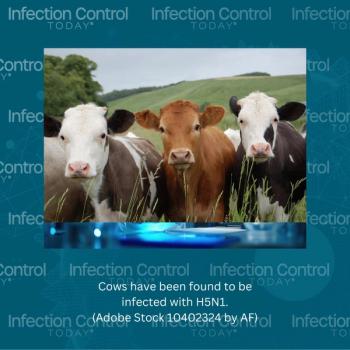
Discover strategies to combat H5N1 influenza spillover in cattle, emphasizing collaborative efforts to ensure the safety of human, animal, and environmental well-being.
Setting boundaries becomes crucial as health care workers face rising demands and burnout. Learn practical strategies to protect mental well-being and prevent burnout in the workplace.