News

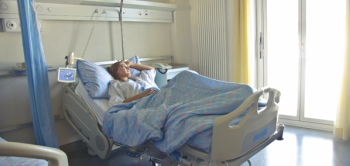
In CMS’ official announcement easing restrictions for visiting nursing homes, no mention was made of the year anniversary—marked today—of when the WHO officially labeled COVID-19 a global pandemic. Still, in so many words, the agency said enough is enough.

Tanya Lewis, CRCST: “I just think that infection preventionists and sterile processors should always work as a team. It should always be a team effort. It’s not them or us. It’s not sterile processing. It’s not infection prevention, but it’s us as a team. And that’s the way we’re going to keep our patients safe.”

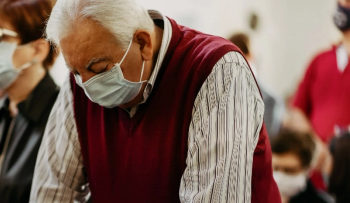
Difficulties in communicating with the elderly necessitate close speaking. These circumstances are a ripe atmosphere for spreading respiratory diseases. While residents were largely isolated from the broader population, their caretakers were not.

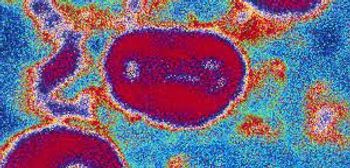
Even with effective screening, treatment, and education, STIs can be like movie villains who just won’t die, who change form, and who keep coming back to wreak havoc. They’re relentless, but so is science.

Linda S. Estep, BS MT (ASCP), CIC: “I’ve done many hand hygiene audits in my day, I still do hand hygiene audits, when I’m in the hospitals now. If they know who you are, they scatter. They know the infection preventionists.”

Linda Spaulding RN, BC, CIC, CHEC, CHOP: “There have been 3,104,010 cases of COVID-19 among kids between the ages of zero and 20…. That means that 13.1% of all the cases of COVID-19 that we’ve seen in the US have been children.”

Daniel Burnett, MD, MBA: “The aerosols, the things that are the true danger and that can hang in the air for hours, depending on their size, are still released around the edges and around the nose of cloth masks. A cloth mask does very little to protect you.”