
News
Advertisement
Advertisement
Advertisement

While many bacteria exist as aggressive pathogens, causing diseases ranging from tuberculosis and cholera, to plague, diphtheria and toxic shock syndrome, others play a less malevolent role and some are critical for human health.
Advertisement
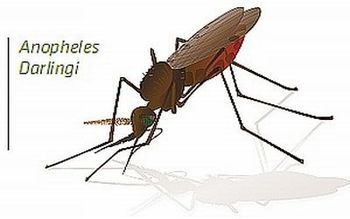

The advent of combination antiretroviral therapy in 1996, and patients success using the drugs in managing HIV, led to diminished interest in research towards a cure for a number of years.
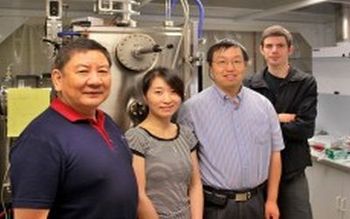
Using nanoscale materials, researchers at the University of Georgia have developed a single-step method to rapidly and accurately detect viruses, bacteria and chemical contaminants.

Advertisement
Advertisement
Trending on Infection Control Today
1
TMVII Sexually Transmitted Ringworm: Symptoms, Diagnosis, Treatment, and Prevention
2
From Stockpile to Patient: Preparing Vaccine Delivery Before an Outbreak
3
The Next Generation of SPD Leadership: From the Basement to the Boardroom
4
Ebola Response in the DRC: Contact Tracing Gaps and the Role of Community Trust
5