
News
Advertisement
Advertisement

Advertisement
ICT presents a look at what's being introduced at this year's AORN Congress, being held this week in New Orleans.

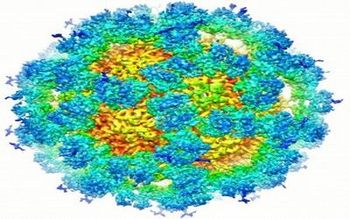
Twenty million Americans get sick from norovirus each year according to data released by the Centers for Disease Control (CDC). Often called vomiting illness, it can spread rapidly on cruise ships, and in dormitories and hospitals. Recent data from the CDC shows deaths from gastrointestinal infections have more than doubled and have become a particular threat to the elderly. The virus is shed in the stool of the infected individual, has a short incubation period and can spread quickly if proper hand washing and other measures are neglected.

Advertisement
Advertisement
Trending on Infection Control Today
1
What Is Trichophyton indotineae? Drug-Resistant Ringworm Spreads to 29 Countries
2
Infection Control Today Launches First Digital Magazine for Infection Prevention Professionals
3
ICT Weekly Rounds – September 17, 2026: RIngworm, Measles, Ebola Updates
4
National EVS Week 2026: Why Environmental Services Is Essential to Infection Prevention and Patient Safety
5