








The CMS update on when nursing home residents can have visitors raises grave concerns. The recommendation appears to assume that herd immunity is reached at 70%.
The CMS update on when nursing home residents can have visitors raises grave concerns. The recommendation appears to assume that herd immunity is reached at 70%.
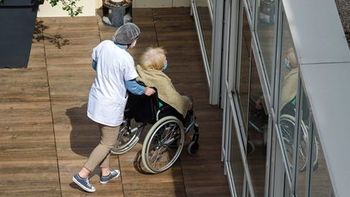
In CMS’ official announcement easing restrictions for visiting nursing homes, no mention was made of the year anniversary—marked today—of when the WHO officially labeled COVID-19 a global pandemic. Still, in so many words, the agency said enough is enough.

Yes, fully vaccinated people can relax some of the social distancing protocols that we’ve all been chaffing under this year. However, understand the nuances.

Difficulties in communicating with the elderly necessitate close speaking. These circumstances are a ripe atmosphere for spreading respiratory diseases. While residents were largely isolated from the broader population, their caretakers were not.
The CDC guidance states that persons past 2 weeks of their final COVID-19 vaccine dose face little risk from unmasked, non-distancing indoor visiting of unvaccinated, low-risk members from a single household.

Linda S. Estep, BS MT (ASCP), CIC: “I’ve done many hand hygiene audits in my day, I still do hand hygiene audits, when I’m in the hospitals now. If they know who you are, they scatter. They know the infection preventionists.”

There needs to be a shift from droplet precaution standards to airborne spread standards and we need to invest in the safety of our frontline workers.

The decision by Texas and other states to reopen seems to disregard the threat posed by COVID-19 variants, opponents of the move argue.

Infection prevention isn’t unique to health care, but rather representative of a bigger role within the community – it’s where health care and public health meet.

This may not be the best time to ask, “What’s next?” But…what’s next? What pathogen(s) not called COVID-19 should we be most concerned about? And where will it (they) be coming from?

Linda Spaulding RN, BC, CIC, CHEC, CHOP: “There have been 3,104,010 cases of COVID-19 among kids between the ages of zero and 20…. That means that 13.1% of all the cases of COVID-19 that we’ve seen in the US have been children.”
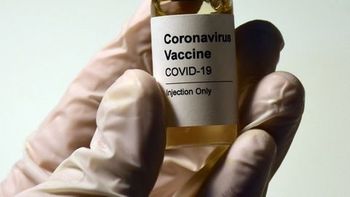
Twenty-six percent of people who are taking a wait-and-see approach about whether to get the COVID-19 vaccine say that they’d be more likely to get vaccinated if it involved just a single dose.

As more people become vaccinated, we will be navigating the aspects of a partially vaccinated public. This will be especially challenging as we learn more about prevention of infection and not just severe disease.

Kelly Cawcutt, MD, MS, FACP, FIDSA: “In a perfect world, vascular access teams and infection prevention teams really should be working very tightly together to optimize the practice of putting our vascular access in place.”
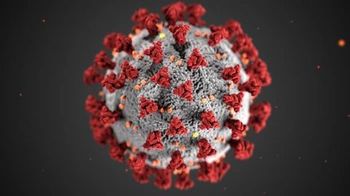
Janssen Ad26.COV2.S is an intramuscular injection vaccine consisting of a replication-incompetent recombinant adenovirus type 26 (Ad26) vector which expresses the SARS-CoV-2 spike (S) protein.

An FDA ruling this week quickens the process by which COVID-19 vaccine manufacturers can get to the market—and into arms—booster shots that are targeted at variants.
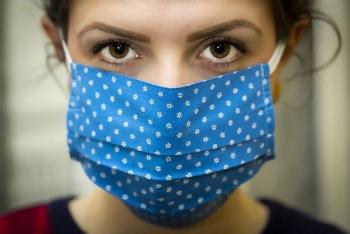
Daniel Burnett, MD, MBA: “The aerosols, the things that are the true danger and that can hang in the air for hours, depending on their size, are still released around the edges and around the nose of cloth masks. A cloth mask does very little to protect you.”

How will the COVID vaccine be handled at each facility? Wil it be mandatory? Will it be given annually? Will it be a condition of employment? These are all questions that will need to be addressed.

An “exponential” outbreak of COVID-19 occurred among health care workers most likely because they let their guard down during social interaction with colleagues.

Infection preventionists can coordinate with physicians and other subject matter experts on common areas of vaccine hesitancy among staff, and work with key stakeholders to address them.

In its push to get as many Americans vaccinated as soon as possible, the government is also pushing to get as many people qualified to administer the COVID-19 vaccinations as soon as possible.

A group of scientists and physicians charge that the CDC’s current guidance on masking might not be enough to meet the threat of COVID-19 variants.
Rebecca Leach, RN, BSN, MPH, CIC: “The flu vaccine is mandated where I work. I do see a day where the COVID-19 vaccine will be mandated as well in health care facilities especially if—as we expect—COVID is not going away.”

In response to COVID-19, companies manufacture robots that would complement the cleaning and disinfection work done by environmental services teams in hospitals. Might the machines also one day take their jobs?
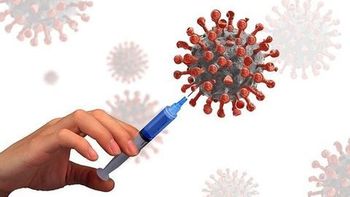
As infection and hospitalization rates from COVID-19 plummet across America, medical experts worry about the variants and vaccine hesitancy.