






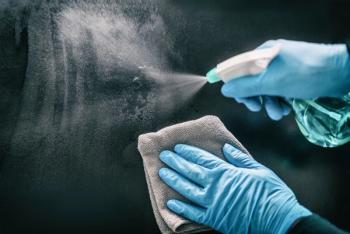
The risk of COVID-19 surface transmission is low, says the CDC, and is especially low outdoors.

The risk of COVID-19 surface transmission is low, says the CDC, and is especially low outdoors.

Meri Pearson, MPH, CIC: “Infection preventionists still need to do those active audits to make sure that they’re actually seeing what’s happening at the bedside.”
The number of syphilis cases in 2000 raised hopes that it could be eradicated, but since 2015 cases have risen 74%.
Christina Yen, MD: “For any infection preventionists who are thinking about or are reviewing the need for VHP sometime in the future, just know that those colleagues that we’ve relied on this time around are going to be there and are going to be your partners in the VHP process.”
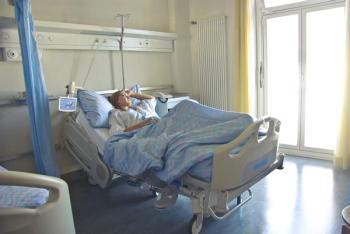
The lessons infection preventionists at the University of Mississippi Medical Center learned from an outbreak of respiratory illness at the facility’s NICU in 2019, were later used to help deal with the COVID-19 pandemic.

The infection prevention and business intelligence teams at Piedmont Healthcare put their heads together to streamline the process of tracking health care-acquired infections.
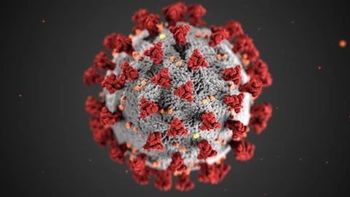
Joachim L. Schultze, MD: “We decided that the knowledge that we have in immunology, as well as in genomics and single-cell technology, should be used to understand this new disease.”
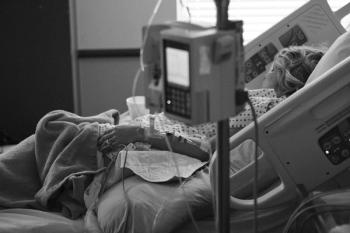
One thing that will haunt me and many health care personnel in both acute care and LTCFs forever is that so many people died without a family member at their bedside.

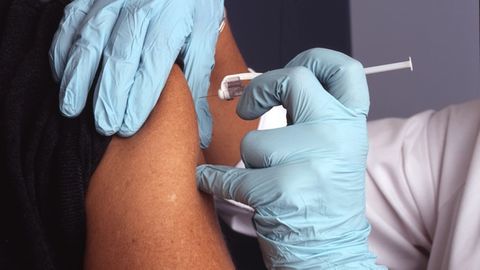
The CDC and FDA are expected to announce an immediate pause for administering the one-shot adenovirus Ad26.COV2.S while advising states distributing the product to consider doing the same.
Those fully vaccinated had 90% protection against infection regardless of symptoms and even partial immunization yielded 80% protection against infection.

“APIC will be focused on conducting research on how health equity and health disparities should be addressed in the field of infection prevention and control including designing interventions…”
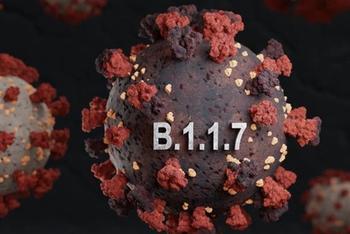
Infection preventionists (IPs) are now faced with delivering a difficult message. It is much easier to advocate for vaccinations which prevent disease, than it is for vaccinations which lessen the severity of disease or reduces your chances of becoming infected.

When outbreaks have been reported in hospitals that are using universal masking, unmasked exposure to other health care workers is often the cause. Transmissions have been traced to break rooms and cafeterias.

Getting to know community pharmacists—in fact developing a professional rapport with those pharmacists—should be on an infection preventionist’s to-do list.

From a global health and infection prevention perspective, “normal” is what got us here—a state of poor preparedness, underfunded health departments, and neglected hospital preparedness for a pandemic.

Priya Nori, MD: “The immediate thing that the health care industry has to grapple with, even as COVID hopefully starts to settle down after the mass vaccination campaign … [will be] superbugs.”
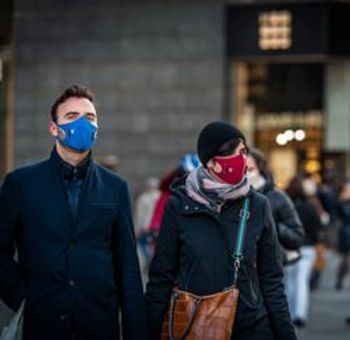
“The COVID-19 pandemic has been a stark and painful reminder that nobody is safe until everyone is safe.”

The study states that it is “extremely unlikely” the pandemic virus occurred through a laboratory leak in Wuhan, China.
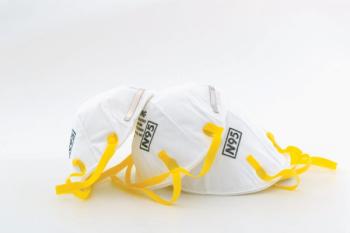
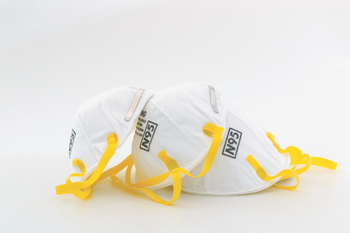
Here, we will review 3 common sterilization modalities currently in use for N95 respirator decontamination, how they work, and their strengths and limitations.

Even assuming that up to 75% of people testing positive wouldn’t follow isolation guidance, the tests would greatly curtail infection, hospitalization, and death, argue investigators. The cost to the health care system would be worth it, investigators say.

Michael L. Millenson: “The CDC will pay more attention to infections. But there’s also an asterisk here. Will Congress continue to pay attention to infections? Will the administration’s budget continue to pay attention to infections? Will the media continue to pay attention to infections?”

Beau Wangtrakuldee, PhD: “In the health care industry in general, small sizes are typically based on Caucasian males, so once you get to women who truly have smaller frames there are no products available for them.”

The heavy burden on schools to reopen with distancing has increasingly become an issue as it often prevents fully reopening full classrooms, which is complex topic and one that carries with it a lot of nuance.

The same mutation is found in the variant in Brazil but more disturbingly it is found in the New York variant.
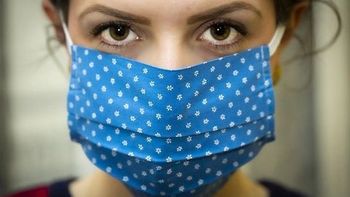
Sharon Ward-Fore, MS, MT(ASCP), CIC: "We’ve learned the hard way that restaurants, office settings, hair salons, fitness centers, and schools have really suffered for the lack of guidance by professionals like infection preventionists."