
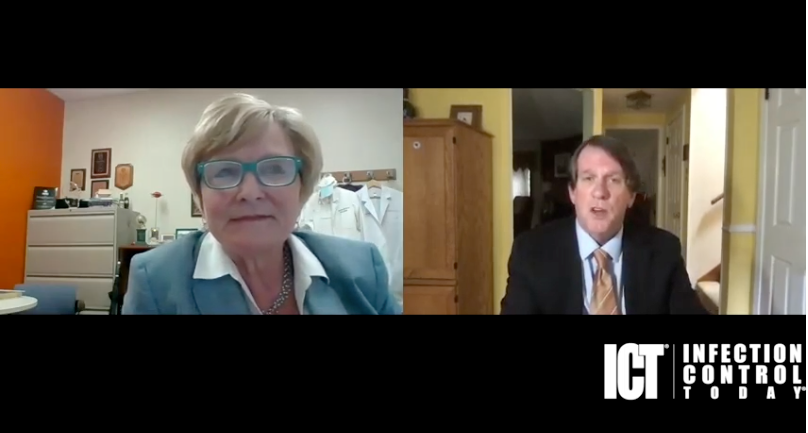




Stephanie Taylor, MD: “In general, airflow has been managed by the engineers, by the architects, by the facility managers, and not so much by the clinicians. There is a lot you can do in indoor air management to decrease transmission of infections.”
Stephanie Taylor, MD: “In general, airflow has been managed by the engineers, by the architects, by the facility managers, and not so much by the clinicians. There is a lot you can do in indoor air management to decrease transmission of infections.”


While the rest of the hospital bustles with energy as healthcare workers fight COVID-19, emergency departments have been oddly quiet because of the drop in elective surgeries.
Michael Millenson: “Infection preventionists are not exactly at the top of the hierarchy. Right? And medicine in hospitals is very hierarchical.”
COVID-19 cases in many states have risen and the false narrative is that this is because of increased testing. But the rise in cases far outstrips the rise in testing.

Jaan Sidorov, MD, the CEO of PA Clinical Network and the former medical director of Geisinger Health Plan talks about the many changes infection preventionists and other healthcare professionals will most likely face.
Ann Marie Pettis, RN, BSN, CIC, FAPIC: “If indeed flu comes at the same time a second wave of COVID comes, that’s going to be difficult-unbelievably difficult because the symptoms obviously are somewhat similar. We’ll be trying to rule both of those things out. It will create more of a risk for a surge, and it will put more taxing on our PPE supplies.”

Those of us in healthcare and infection prevention must focus on sustainable efforts to combat COVID-19. How do we maintain readiness and response without burnout? There’s no solid answer to this, but a big piece really goes into the establishment of plans and education.

The nurses in the study “grew psychologically” under the pressure of coping with COVID-19. They reevaluated their values, and found motivation by being grateful for the support they received from family, friends and colleagues.
Sharon Ward-Fore, MS, MT(ASCP), CIC: “It is a collaboration, and I think the most successful environmental services department has an infection preventionist who really enjoys working with EVS.”
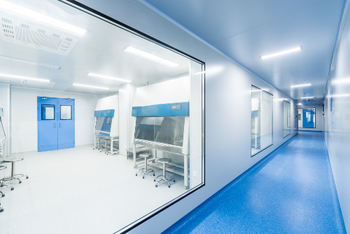
A portable anteroom can be used as an extra layer of protection between the isolation space and the rest of the hospital. A positively pressured anteroom, for instance, lets staff don PPE in a protected environment.
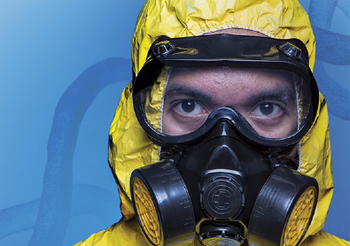
In many cases, the relationship between IP and the supply chain department is passive and fluctuates with emergencies or new products. What if, though, we worked to have a more proactive relationship that involved weekly meetings regarding the level of supplies, like PPE?

Sharon Ward-Fore, MS, MT(ASCP), CIC: “It is a collaboration, and I think the most successful environmental services department has an infection preventionist who really enjoys working with EVS.”

IIn the latest Morbidity and Mortality Weekly Report from the Centers for Disease Control and Prevention (CDC), researchers discuss SARS-CoV-2 in two domestic cats.
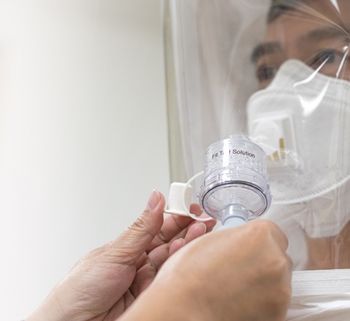
Just-in-time (JIT) fit testing allows a healthcare organization to offer evaluation, training, and fitting of HCPs during rapid intervals, as needed, based on specific patient care assignments.

Infection preventionists (IPs) are stretched to the limit with both reporting and patient responsibilities with an unwillingness of facilities to prioritize infectious disease prevention in their operating budgets.
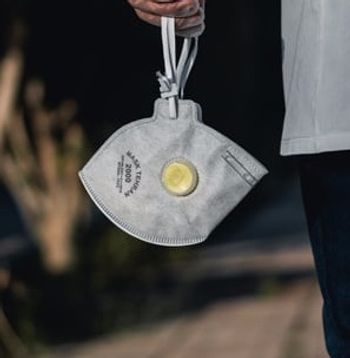
Decontaminated respirators should only be resorted to when unused devices are not available, but that happened a lot in the last few months.

The Infectious Diseases Society of America updated its position statement to educate its membership on the use of telemedicine and telehealth technologies to provide “evidence-based, cost-effective, subspecialty care.”

Rebecca Leach, RN, BSN, MPH, CIC: “Infection preventionists had to work very closely with our supply chain and look at all of our options and really keep track of it. I also think working with lab more closely will be important in the future, to understand testing modalities, understanding our abilities to test and interpreting those tests.”
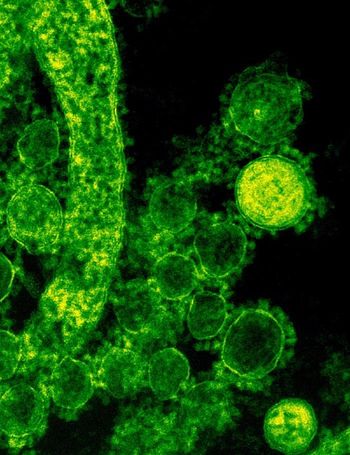
Matthew Pullen, MD: “After examining the data of our 821 participants, we did not find a significant difference in the risk of infection following exposure in those taking hydroxychloroquine and those taking placebo."

Sharon Ward-Fore: "Rather than reusing gowns, consider bundling patient care activities to conserve gowns. Donning a gown that has already been used can be tricky, and a source of contamination to the user."

Many healthcare facilities, not only LTCFs, have turned to online training for staff and then designate the employee as competent to do their job. Online training does not prove competency; it provides training.
Most likely the COVID death count of nursing homes will mount as more information comes to light, as only about 80% of the nation’s approximately 15,400 nursing homes have reported their data.

Infection prevention sustainability isn’t easy and everyone is exhausted, but now is the time that practice makes permanent.

The wearing of cloth masks doesn’t mean that employees should stop following social distancing guidelines. In fact, social distancing guidelines must be followed at all times.