


Hand Hygiene
Latest News
Advertisement
Advertisement
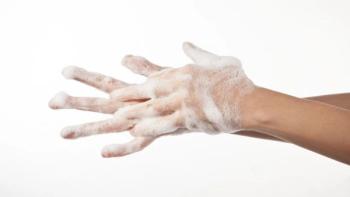

Outbreaks of infectious diseases, caused by harmful pathogens, can be traced back centuries as the cause of significant morbidity and mor-tality in humans. The previous century saw two of medicine’s biggest achievements: the introduction of vaccinations to prevent infections and the use of antibiotics to cure infections when they do occur. Preventing and curing infections remain key goals of medicine in providing optimal health for a population. But growing antibiotic resistance and community-acquired infections are on the rise. It’s important to take a closer look at these growing trends.
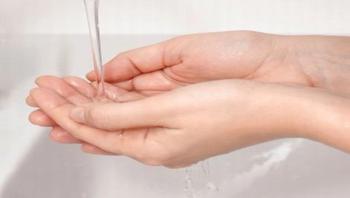
Whether it's soap-and-water handwashing or using an antiseptic hand wash, an alcohol-based handrub (ABHR), or a surgical hand antisepsis product, hand hygiene remains a cornerstone of infection prevention and control practice. Despite indications that hand hygiene can help control the transmission of infectious microorganisms as part of a multi-modal approach, as well as innovations in product and dispenser design to enhance the user experience, hand hygiene rates remain sub-optimally low.

Advertisement
Advertisement