




HAIs
Latest News
Advertisement
Latest Videos






Shorts

0:50
When Gloves Were Considered Insulting to Patients
10 months ago
1:15
Why 'Gotcha' Moments Don't Work in Health Care
10 months ago

1:23
Burnout, Value, and the Case for Seeing IPs as an Investment
a year ago
by
Tori Whitacre Martonicz, MA

1:22
Hidden Hazards: Why Hospital Sink Drains Are a Biofilm Breeding Ground
a year ago
by
Tori Whitacre Martonicz, MA

0:52
Unsung Heroes: Elevating EVS as Full Partners in Infection Prevention
a year ago
by
Tori Whitacre Martonicz, MA

1:22
Far-UVC: Clean Air for All, Not Just a Privilege
a year ago
by
Tori Whitacre Martonicz, MA
CME Content


Advertisement
More News

Sterile Processing Under Pressure: What Penn State Health’s Instrument Sterilization Crisis Reveals About Patient Safety Risks
Published: | Updated:
Sterile processing departments are often called the invisible backbone of surgical care, but a recent investigation involving Penn State Health and Milton S. Hershey Medical Center highlights what can happen when those systems come under pressure. Reports of contaminated instrument trays, sterilization backlogs, staffing strain, and communication breakdowns are raising broader questions about patient safety, infection prevention infrastructure, and operational priorities across health care. ***Updated with an answer from Penn State Health.

New evidence suggests UV-C disinfection may do more than reduce pathogens. Repeated exposure can also damage common health care plastics, potentially creating microcracks and roughened surfaces that harbor microorganisms. Experts say material compatibility must become part of every UV-C infection prevention strategy.

At HSPA 2026 in Baltimore, Malinda Elammari shares why education, certification, and data literacy are critical to advancing sterile processing. Learn how stronger advocacy and recognition can elevate SPD’s role in patient safety and health care outcomes.

On World Hand Hygiene Day (May 5), new insights highlight a critical gap: even when compliance is documented, sanitizer dose size may limit effectiveness, making proper ABHR dosing essential for true infection prevention.
Handwashing gaps persist despite high awareness, according to Bradley’s 2026 survey. As World Hand Hygiene Day (May 5) marks 17 years, experts stress clean restrooms, access, and behavior change are key to infection prevention.

A Kansas jury awarded $7.65 million in a fatal KU Medical infection case tied to contaminated heater-cooler devices, renewing attention on Mycobacterium chimaera risks, device disinfection failures, and patient safety in cardiac surgery.

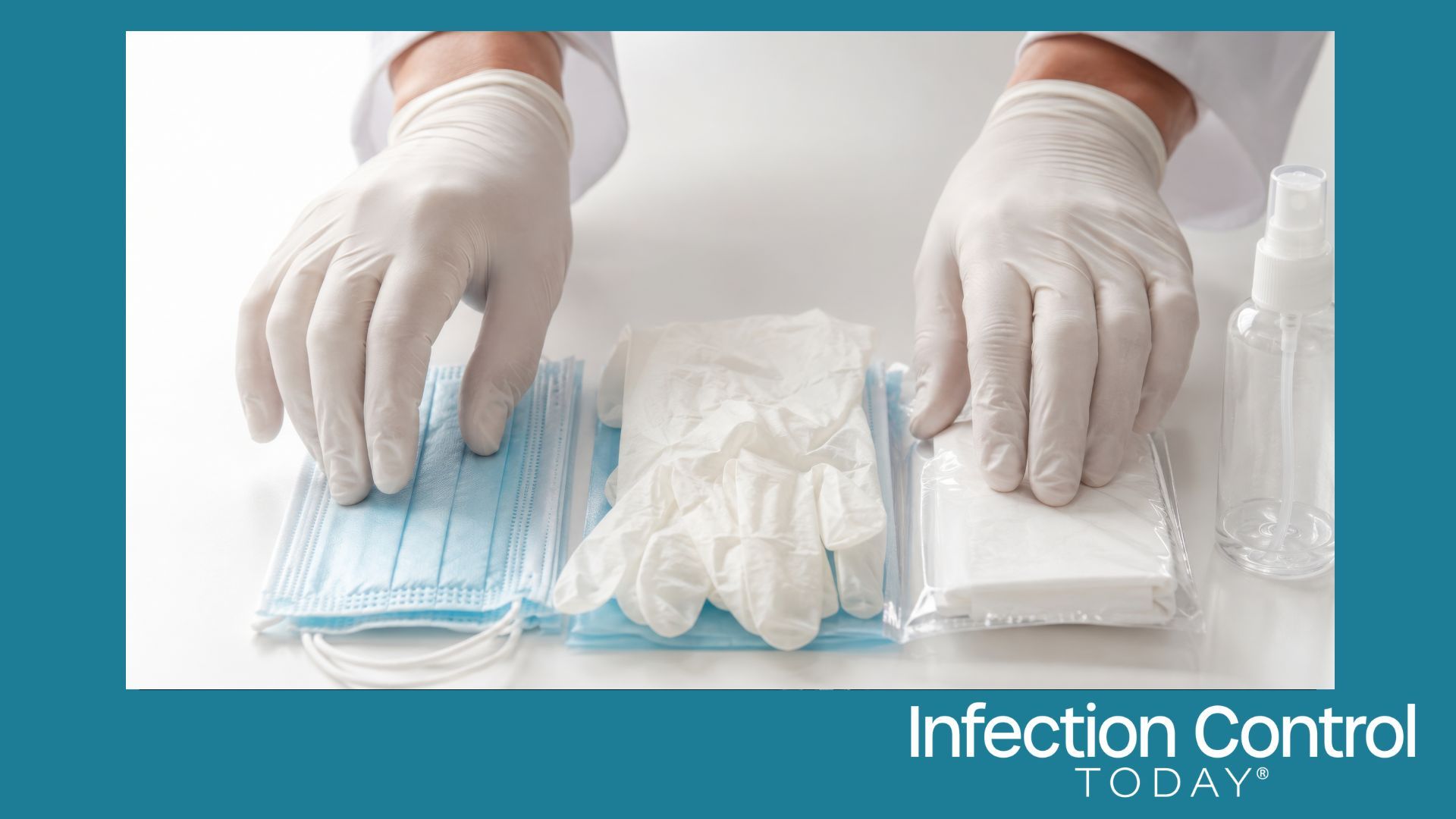
Improper glove use in health care can turn protective barriers into vectors of infection, increasing contamination risks, cross-transmission, and HAIs when hand hygiene and proper protocols are not consistently followed.
As Arlene Bush, CRCST, CER, CIS, CHL, SME, DSMD, CRMST, concludes her HSPA presidency, she reflects on advocacy, certification efforts, and collaboration, emphasizing mentorship and continued progress in sterile processing ahead of the 2026 conference in Baltimore.


The Clean Bite's Sherrie Busby and Becki McFadden write on how proper PPE use in dental settings reduces infection risk from aerosols and sharps, protecting providers and patients through consistent use of masks, gloves, face shields, and protective apparel.

At AORN 2026 in New Orleans, a colorectal SSI bundle shows how standardized intraoperative nursing practices, interdisciplinary collaboration, and data tracking can reduce infections and improve surgical outcomes.
This 6-part series chronicles the journey of 2 infection prevention leaders, Brenna Doran and Jessica Swain, who partnered to research and shed light on the critical issue of IP staffing in the current health care landscape. The fourth article in the series will focus on the impact of geographic variations and staffing models on the support for infection prevention programs.
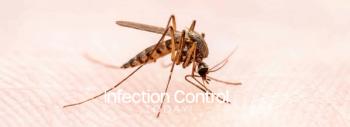
Johns Hopkins experts warn malaria remains a global threat despite vaccine progress. Drug resistance, climate change, and funding cuts could reverse gains, highlighting the need for sustained investment, surveillance, and layered prevention strategies.

What is surgical smoke? Why is it dangerous? Vangie Dennis, MSN, RN, CNOR, CMLSO, FAORN, FAAN, a member of Infection Control Today's editorial advisory board, explains.

Health care–associated infections (HAIs) remain underestimated, driven by evolving pathogens, environmental reservoirs, and biofilm persistence. Experts argue outdated data and overreliance on hand hygiene obscure the true, growing burden of preventable infections.

A former infection prevention professional shares his battle with MRSA and sepsis, revealing the lasting impact of health care–associated infections and why vigilance, accountability, and patient advocacy matter more than ever.
Tuberculosis affects 10.7 million annually. IPC professionals prevent health care-associated TB through respiratory isolation, staff screening, and contact investigation. World TB Day 2026 affirms TB elimination is achievable through dedicated infection prevention.

Peptilogics' PLG0206 represents a breakthrough innovation in infectious disease. First drug designed specifically to penetrate and kill biofilm-protected bacteria. RETAIN Phase 2/3 trial now enrolling patients with prosthetic joint infection. The previous phase showed 93% infection-free rate. It could revolutionize the treatment of medical device-related infections.

Federal court halts vaccine schedule changes, upholding evidence-based immunization practices. ICT reached out to key opinion leaders to find out their thoughts

How IPC programs are shifting away from punitive audits toward human-centered coaching models. Include peer-to-peer observation, quiet feedback moments, and psychological safety as drivers of long-term adherence.
AI is transforming hand hygiene monitoring by replacing limited manual observation with continuous, data-driven surveillance. New tools use computer vision and machine learning to detect sanitizer use and identify gaps in adherence.

Improper linen handling in long-term care facilities can increase cross-contamination risk. Experts say laundry workflows, directional processing, and consistent wash parameters play a critical role in infection prevention by limiting microbial spread during the collection, sorting, laundering, and storage of contaminated textiles.

The COVID-19 pandemic has accelerated a shift away from droplet-based precautions toward a “through the air” framework that recognizes aerosol transmission across a continuum of particle sizes. As measles, SARS-CoV-2, and influenza circulate simultaneously, this article explains why ventilation, respirators, and higher air change rates must become core infection prevention strategies in health care facilities.

A new human factors study reveals the hidden complexity behind sterile processing. Research from the Medical University of South Carolina shows how sterile processing, operating rooms, and courier networks function as one interconnected system. Understanding “work as done” rather than “work as imagined” may be key to improving surgical safety and supporting frontline staff.

Over 50% of surgeries experience delays that increase the risk of infection. Tampa General's ambient AI reduced OR turnover times by 12%, preventing dangerous complications and enabling more than 832 additional cases annually. Real-time data transforms surgical safety and efficiency.
Advertisement
Advertisement
Trending on Infection Control Today
1
IDWeek 2026: ICU Study Finds Lower Glove Bioburden With PostCare Alcohol Application
2
Nursing Home Roommates and MDRO Carriage: MRSA, ESBL, and VRE Study Findings
3
Dengue Prevention: Systematic Review Evaluates Wolbachia and Other Mosquito Control Methods
4
Clean Hospitals Day 2026: How to Empower Environmental Services Staff
5