




HAIs
Latest News
Advertisement
Latest Videos


Shorts
0:56
How We Eradicated Cholera in Weeks
2 months ago
0:56
Why Healthcare Gains Are Fragile
2 months ago
0:35
The Funding Model Transition Is Real
2 months ago
0:54
A Message to World's Philanthropists
2 months ago
0:46
A Powerful Message to Global Philanthropists on Health Equity
2 months ago
0:58
The Fragile Reality of HIV Control: A Heartfelt Story From Malawi
2 months ago
0:58
The Power of HIV Treatment: Closing the Gap for Children
2 months ago
0:43
The Clean Bite: Why You Cut Yourself on Autopilot in Dental
3 months ago
0:31
Why Dental Assistants Are the Backbone of Every Practice
3 months ago
0:49
The Most Dangerous Thing a Dental Assistant Can Do
3 months ago
CME Content


Advertisement
More News

Turnover pressure can leave critical OR cleaning steps unfinished. Karen deKay, MSN, RN, EBP-C, CNOR, CIC, FAPIC, examines common gaps in environmental hygiene and how shared responsibilities, attention to disinfectant contact time, and ongoing education can help teams strengthen practices between cases.
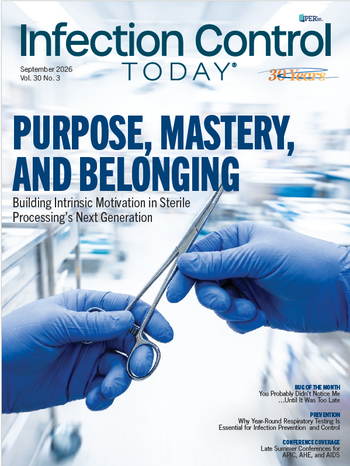
Infection Control Today celebrates 30 years of covering the people, science, and challenges shaping infection prevention with another milestone: its first digital magazine, featuring outbreak analysis, biosecurity, respiratory testing, sterile processing, professional leadership, conference coverage, and more.

During National EVS Week, appreciation matters, but partnership matters more. Environmental services professionals bring infection prevention expertise and a unique understanding of the health care environment that can help identify barriers, improve cleaning and disinfection practices, and ultimately protect patients.

How do you celebrate an infection that never happened? That's one of the unusual challenges infection preventionists share with teachers. Both can spend their careers changing outcomes they may never see. Both educate people who don't always want to listen. Both are second-guessed. Both face burnout. And both must somehow keep remembering why they started.

Infection Control Today's Educator of the Year Award Official Rules
Published: | Updated:
Here are the formal rules for the 2026 Winner of the Infection Control Today’s Educator of the Year Award™.

At AHE Exchange26, experts revealed how surprisingly small gaps in linen education can contribute to waste, higher costs, and potential patient safety risks. The solution begins with something simple: helping everyone who touches health care linen understand why their role matters.
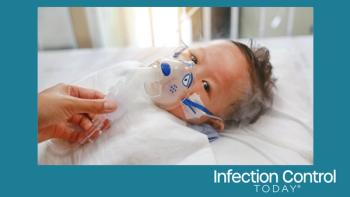
Merck has announced that the FDA accepted its supplemental application to expand ENFLONSIA's indication to include children younger than 2 years who remain at increased risk for severe RSV disease during their second RSV season.

Claryx has emerged from stealth with funding and a genomic surveillance platform designed to help hospitals identify hidden transmission chains, trace infection sources, and intervene before outbreaks grow.

New US Ebola travel restrictions require many travelers leaving the DRC to spend 21 days outside the country before returning home, creating logistical, financial, and operational challenges for health care responders.
Environmental testing found bacterial contamination on many lead garments and described what lead garment cleaning technicians routinely encounter during servicing.

Foodborne outbreaks like Cyclospora are often blamed on contaminated produce, but delayed data sharing may be the larger problem. This article examines how modern digital traceability, standardized data systems, and faster outbreak investigations could reduce illnesses and improve food safety across the supply chain.
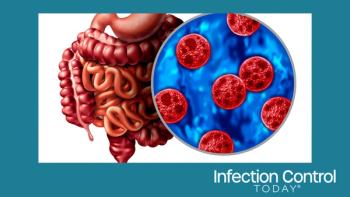
Food safety experts explain how epidemiology, traceback investigations, surveillance, and food safety practices work together to identify contamination sources during Cyclospora outbreaks while highlighting ongoing challenges in protecting the food supply.

Hung Cheung, MD, of the Alliance to Prevent Legionnaires' Disease, says preventing illness requires upstream water management, stronger surveillance, and earlier public health intervention.
Sepsis diagnoses are increasing, but are health systems measuring true clinical deterioration or changes in documentation? A new perspective explores how real-time surveillance and coordinated workflows can improve sepsis response and patient outcomes.
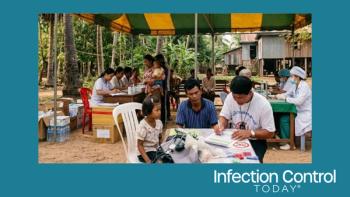
How much infection prevention training should volunteers receive before participating in medical missions? A new perspective in Infection Control Today follows one college student's experience volunteering in rural Cambodia, where he was asked to perform clinical tasks well beyond his training. Years later, he realized just how many infection prevention risks he had unknowingly encountered. The article explores what his experience reveals about volunteer preparation, resource-limited care, and why basic infection prevention education should be considered essential for anyone participating in clinical outreach. Read the full story.

This week in infection prevention: A cyclosporiasis outbreak has exploded to 1,645 confirmed cases across 34 states, existing Ebola vaccines don't protect against the Bundibugyo strain driving the current DRC outbreak, and the FDA has officially raised the bar for UVC disinfection technology, with only 2 vendors currently authorized. ICT's weekly roundup covers it all, plus practical IP guidance on Cyclospora diagnosis, contact tracing, and antimicrobial resistance.
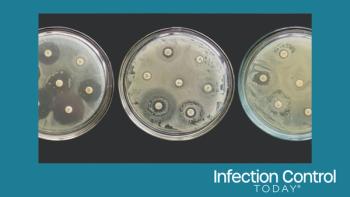
Gian Maria Rossolini, MD, discusses antimicrobial resistance, global surveillance, emerging drug-resistant pathogens, and how clinical microbiology can help improve patient outcomes and public health.
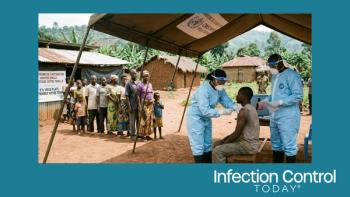
The latest Ebola outbreak is raising new challenges for global public health. Existing Ebola vaccines were designed for a different viral strain, leaving health care workers and communities to rely on supportive care while researchers test promising new treatments and vaccine candidates. Learn what this means for infection prevention professionals.
How can you prevent Cyclospora infection? This article outlines practical food safety measures, symptom recognition, diagnostic recommendations, and prevention strategies for patients and health care professionals during the current multistate Cyclospora outbreak.
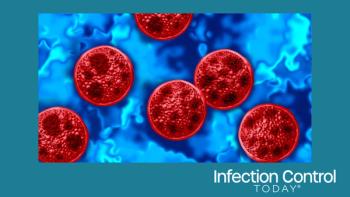
Cyclospora infections are increasing across the US. This article explains how Cyclospora cayetanensis spreads, common symptoms, current outbreak investigations, and the role IPs and IPC professionals play in surveillance, diagnosis, reporting, and public health collaboration.
What are the most common infection control violations in dental practices? This article explains why hand hygiene, improper PPE use, and failure to wear utility gloves continue to challenge dental teams and offers practical, evidence-based strategies to improve OSHA adherence, strengthen infection prevention practices, and enhance patient and staff safety.

Why do outbreaks involving Cyclospora, Ebola, Legionnaires' disease, contaminated medical devices, and recalled consumer products matter to infection preventionists? This editorial examines the common lessons from today's emerging infectious threats and explains how surveillance, environmental safety, health care worker protection, and preparedness strengthen infection prevention and control programs across all health care settings.
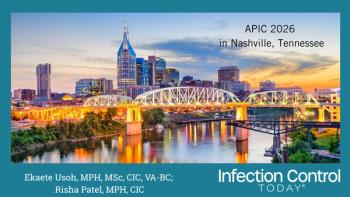
APIC 2026 presenters Ekaete Usoh, MPH, MSc, CIC, VA-BC, and Risha Patel, MPH, CIC, shared practical strategies for reducing health care-associated infections through health equity, standardized data tracking, and interdisciplinary collaboration while encouraging infection preventionists to take advantage of APIC's educational and networking opportunities.
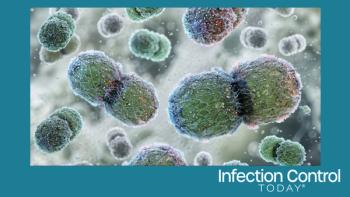
A new lawsuit alleges a contaminated Olympus duodenoscope transmitted a VRE infection during an ERCP, renewing concerns about endoscope reprocessing, device design, biofilm, and infection prevention and control (IPC) practices. What should IPC professionals know?

Think you know your infection control acronyms? Test your expertise with our ICT Expert Acronym Challenge! From CLABSI to VRE, this 20-question puzzle covers essential health care-acquired infection prevention terminology that every infection control professional should master. How many can you match correctly? Try the challenge now! Perfect for IPC specialists, infection prevention coordinators, and health care epidemiologists!
Advertisement
Advertisement
Trending on Infection Control Today
1
International Infection Prevention Week 2026: The Roles of IPs, SPD, and EVS
2
WHO 5 Moments for Hand Hygiene: How to Apply Them in Ambulatory and Outpatient Care
3
Weekly Rounds: Ebola Screening Gaps, Dengue in Florida, and Why Shared Equipment Still Matters
4