




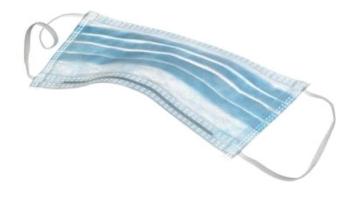
Personal Protective Equipment
Latest News
Advertisement
Advertisement

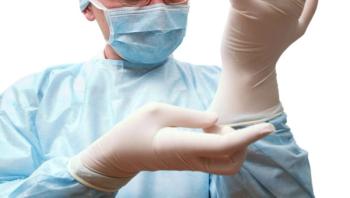
Infection Control Today invited manufacturers of personal protective equipment (PPE) and antimicrobial textiles to share their perspectives on key issues relating to pandemic preparedness as well as proper donning and doffing techniques.
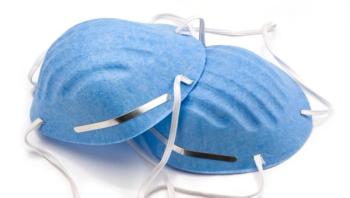
NIOSH and the National Personal Protective Technology Laboratory (NPPTL) announce the release of three documents related to respiratory protection in healthcare.

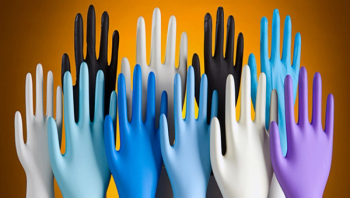
If you’re allergic to natural rubber latex, the Food and Drug Administration (FDA) has good news for you: in the future, you are less likely to be misinformed about the absence of this allergen in such products as medical devices. To avoid false assurances about this hazard, the FDA is recommending to manufacturers to stop using the labels “latex free” or “does not contain latex.” The reason for this recommendation is that the agency is not aware of any tests that can show a product contains no natural rubber latex proteins that can cause allergic reactions
Ebola virus disease presents a unique occupational health challenge to healthcare institutions, and Ebola readiness and response can drain al-ready-scarce infection prevention resources. This is reflected in a recent survey of infection preventionists at U.S. hospitals conducted by the Association for Professionals in Infection Control and Epidemiology (APIC) in which only 6 percent of healthcare institutions are well-prepared to receive a patient with the Ebola virus. Infection preventionists everywhere are hoping that the Ebola crisis can shed new light on the importance of a properly funded and resourced department.

The Centers for Disease Control and Prevention (CDC) has ordered $2.7 million in personal protective equipment (PPE) to increase Strategic National Stockpile (SNS) supplies to assist U.S. hospitals caring for Ebola patients. Products are being configured into 50 kits that can be rapidly delivered to hospitals. Each kit can provide the PPE needed by clinical teams to manage the care of one Ebola patient for up to five days.
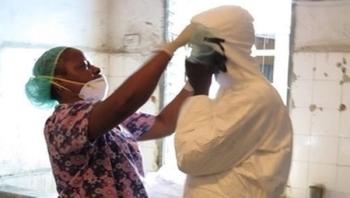

In the days of home births, hot water and clean towels - gloves for use during patient exams began during the 1760s when physicians used obstetric gloves made from sheep intestines for vaginal exams in Germany. It wasn’t until the 1840s when Charles Goodyear patented his “vulcanized” rubber that surgical gloves became flexible enough to wear and in some iteration were used en mass by nurses at Johns Hopkins Hospital in the 1890s after surgeon Dr. William Halstead published his paper, “The Treatment of Wounds.”
Advertisement
Advertisement
Trending on Infection Control Today
1
What Is Causing the 2026 US Measles Outbreak? Vaccination Rates, Travel, and Immigration Examined
2
National EVS Week 2026: Why Environmental Services Is Essential to Infection Prevention and Patient Safety
3
Infection Control Today Launches First Digital Magazine for Infection Prevention Professionals
4
Chasing the Bundibugyo Outbreak: How Static Numbers Hide a Moving Epidemic
5