







New antifungal agents that are being investigated for possible use against C. auris, such as Ibrexafungerp (Brexafemme), show promise—so far.
New antifungal agents that are being investigated for possible use against C. auris, such as Ibrexafungerp (Brexafemme), show promise—so far.
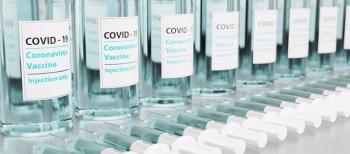
Researchers found the mu variant to be the most resistant variant to antibodies from either previous infection or from vaccines, a spot that had been previously occupied by the beta, or the South African, variant.
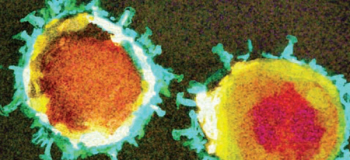
Investigators used acetone-washed, pre-autoclaved stainless-steel coupons coated with reformulated quaternary ammonium polymer to keep deadly pathogens at bay.
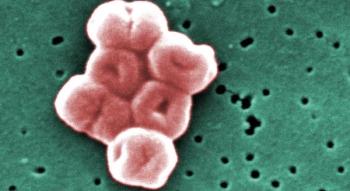
The pathogen can lurk on blankets, bed rails, trolley handles, sheets, door handles, light switches, bedside tables, bedside table drawers, curtains, sinks, food tables, curtains, normal saline stands.
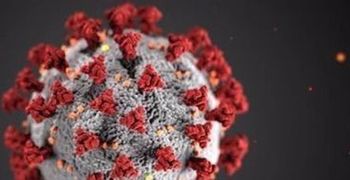
The data seem to give credence to the government’s push to get more Americans vaccinated against COVID-19.

Take 5 minutes to catch up on Infection Control Today’s highlights for the week ending September 10.

With seemingly reckless abandon, we are quickly headed toward an era in which the antibiotics we once used to treat infection will be rendered ineffective.
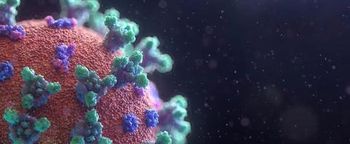
The further away from an infected person you are, the less likely you are to contract the disease. But you are still not safe at 6 feet. The virus is airborne and can spread much further to the back of the classroom.
President Biden: “The bottom line: We’re going to protect vaccinated workers from unvaccinated co-workers.”
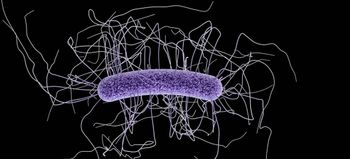
C. diff infection is an old enemy and health care professionals have gathered an armamentarium of weapons against it, but it can be relentless.

President Biden tonight plans to outline 6 steps that the US needs to take to—in the short term—stem the latest COVID-19 surge, and—long term—put this pandemic behind us for good.
COVID-19 cases occurring in children rose 26.8% from August 26 to September 2, according to new data.

As children head back to school, health care officials brace for a surge caused by Labor Day travel, and worry about unvaccinated teachers.
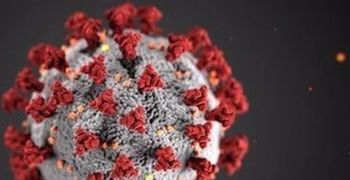
After the Delta surge subsides, another surge is expected, possibly from the Mu variant. If Mu completely escapes immunity from vaccines and past infections, we must resort to stringent public health strategies.

Touchdown! Attendance at professional and college football games may resume with COVID-19 mitigation measures, according to a study. But will the delta variant move the goalpost?
The outbreak underscores the Delta variant’s potential for rapid spread especially in schoolchildren who are too young to be vaccinated.

Close to 85% of people hospitalized with COVID-19 said that they were not back to their pre-COVID lifestyle 1 month later, says the study.
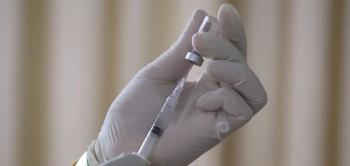
Investigators created models which estimated the number of COVID-19 deaths and cases that would have occurred if the early vaccine campaign had never happened.

Questions that dog gain-of-function research relate to oversight of these potentially lethal projects and the secrecy surrounding them. Did such research cause COVID-19 to leak out of a laboratory in Wuhan, China?

Health care workers were significantly more likely to become infected and have severe symptoms, the study found.
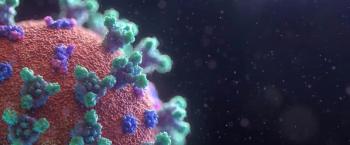
In a study that has not yet been peer reviewed and had been done on mice, Japanese investigators pinpoint Delta variant mutations that might be able to evade COVID-19 vaccine antibodies.
Take 5 minutes to catch up on Infection Control Today’s highlights for the week ending August 27.

Infection preventionists and the hospital leadership teams need to communicate with all stakeholders to balance the health of the community and protect the current and future workforce.
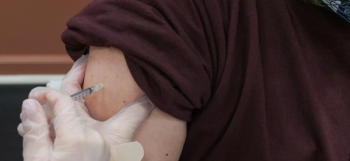
Officials originally said that the boosters would be available 8 months after the last dose, but they’ve changed that to 6. That should help older Americans. But what about children?

In Beijing the total cases in an outbreak were reported to be less than 10. China used over 100 million tests to eradicate what would be classified as a very small outbreak by US standards.