








Take 5 minutes to catch up on Infection Control Today’s highlights for the week ending October 29.
Take 5 minutes to catch up on Infection Control Today’s highlights for the week ending October 29.

Vetting new technology and products is a complicated endeavor that takes hours if not weeks before a decision can be made as to whether to bring products into a health care facility. The COVID-19 pandemic did not give health care the luxury of time.

As of today, the outlook is very good and the pandemic is on a trajectory of burning out, but there are valid concerns which require that we continue our vigilance and public health strategies.

One of the most disturbing features of C auris is that, in its relatively short life, it has rapidly developed resistance to the few available treatment options.

Infection preventionists have been measuring hand hygiene with very little change in practice or retention of proper practice. Now is the time to think of new ways to improve hand hygiene and patient outcomes.

The move is the first step in paving the way for younger children to get COVID-19 vaccines.

Compared to cases confirmed by human clinical testing, the air sampling used in the college dorms in the study had a success rate of 75%–100% in detecting infection by SARS-CoV-2.
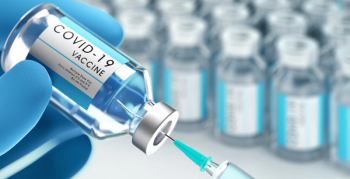
The term “mild COVID-19” is an oxymoron. The devastating long-term effects of long COVID, along with future emergence of cardiovascular disease in those with minimal initial symptoms, reminds us that all SARS-CoV-2 infections may pose grave dangers to those who contract the virus.
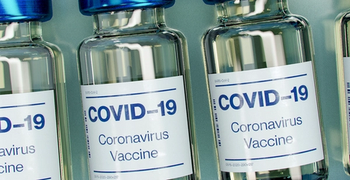
Moderna’s phase 2/3 pediatric trial showed a lesser dose of the company’s 2-dose COVID-19 vaccine mRNA-1273 is associated with a significant neutralizing antibody response in children aged 6 to <12 years old.

Jason Tetro, author of The Germ Code: “Moving forward, I think we’re going to be going into this idea of seasonality, or as I like to say, cold, flu and COVID-19 seasons.” And the so-called "monster variant"? It's already here, says Tetro. It's called Delta.
Take 5 minutes to catch up on Infection Control Today’s highlights for the week ending October 22.
There’s been a lot of activity on the COVID-19 vaccine front thanks to research regarding waning immunity. A mix-and-match strategy seems to be emerging.
The UK Health Security Agency says that as of September 27, about 6% of sequencing tests in the UK tested positive for the Delta descendant—AY.4.2—which some scientists estimate may be 10% more infectious than original Delta.
Enough of the Pfizer/BioNTech vaccine has been secured to offer vaccinations for everyone in this age group.

More frequent testing and continuation of mitigation measures such as masking would better help to protect the more vulnerable among us such as Colin Powell, a study concludes.
Although 61% surveyed agree that flu vaccination is the best preventive measure against flu-related deaths and hospitalizations, 44% of US adults are either unsure or do not plan to get the vaccination.

Brian Flannigan: “The reason why water quality and water safety is so important in sterile processing is that there have been direct connections made between the water systems and hospital infections: operating room infections, asset life problems, maintenance problems, staining and discoloration of equipment.”
Anthony Harris, MD, MBA, MPH: “We know that mandates such [as the COVID-19 vaccine mandate] don’t exist in isolation. For any school age child that wants to attend public school, guess what? Be vaccinated. Likewise for universities, in many cases. If you’re living in a dormitory scenario. This is not a far cry from precedent that’s already been set.”

IAHCSMM’s Damien Berg: “COVID-19 put a light on sterile processing professionals in a positive way. We became a force multiplier in the hospital by the things we did. And we got known.”

Not only can pediatric patients of all ages carry high viral loads of SARS-CoV-2, but they can also serve as a means for the virus to mutate, according to a new study.
Take 5 minutes to catch up on Infection Control Today’s highlights for the week ending October 15.

If we want to see sustained improvements in our hospitals, administrators must step in and visibly show their support of IPs while investing their time, resources, and hospital funding to increase the capacity of the IPC department.

Vaccine hesitant health care professionals are most likely to be persuaded by fellow workers. Meanwhile, mandates can backfire.

A one-and-done vaccine that prevents both influenza and COVID-19 might help alleviate vaccine hesitancy for both conditions.

Even the most rigorous infection prevention protocols come unraveled if compliance isn’t maintained. The challenge is that for busy health care professionals, remembering when and how to disinfect is just one of many competing tasks in an extremely busy day.