


Sterile Processing
Latest News
Advertisement
CME Content
Advertisement
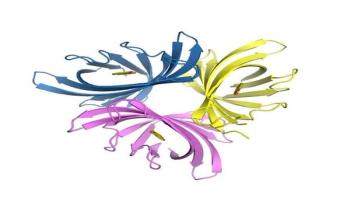
Many infectious pathogens are difficult to treat because they develop into biofilms, layers of metabolically active but slowly growing bacteria embedded in a protective layer of slime, which are inherently more resistant to antibiotics. Now, a group of researchers at Caltech and the University of Oxford have made progress in the fight against biofilms. Led by Dianne Newman, the Gordon M. Binder/Amgen Professor of Biology and Geobiology, the group identified a protein that degrades and inhibits biofilms of Pseudomonas aeruginosa, the primary pathogen in cystic fibrosis (CF) infections.


To help address the tough questions related to its inquiry into third-party servicing and refurbishment of medical devices, the Food and Drug Administration (FDA) scheduled a two-day public workshop for late October. Stakeholders are many and quite diverse, ranging from clinicians, patient safety managers and HTM professionals, to original equipment manufacturers (OEMs) and those aforementioned third-party firms; all of whom will be providing their perspectives on how to ensure patient safety while controlling costs in an environment where organizations vary in how they repair and generally maintain devices.

Advertisement
Advertisement
Trending on Infection Control Today
1
IDWeek 2026: ICU Study Finds Lower Glove Bioburden With PostCare Alcohol Application
2
Nursing Home Roommates and MDRO Carriage: MRSA, ESBL, and VRE Study Findings
3
IDWeek 2026: Hospital Drain Snakes May Harbor Carbapenemase-Producing Organisms
4
Clean Hospitals Day 2026: How to Empower Environmental Services Staff
5