




Sterile Processing
Latest News
Advertisement
CME Content
Advertisement
Someone recently asked me, “As a central sterile (CS) manager, what keeps you up at night – what is it that scares you the most relating to your department?” As I thought about all the possible things that could go wrong, from the mundane such as an autoclave breaking down to the exotic scenario such as a sprinkler system failure forcing me to reprocess all instruments, one thing jumped out in my mind and truly made me shudder. “Losing my staff,” I answered, “in fact, most CS managers would say the same.”
Q: Our sterile processing department (SPD) is sent explanted implants (screws, plates) to clean and sterilize so the patient can take them home. I have questioned this practice but do not have documentation to challenge this decision.

The Food and Drug Administration (FDA) has issued a communication to healthcare professionals to share preliminary information regarding infections associated with the use of reprocessed flexible bronchoscopes.
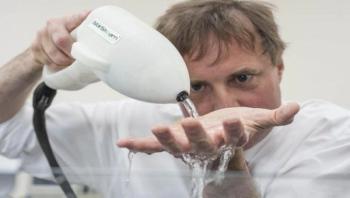
Researchers from the University of Southampton have demonstrated how a pioneering ultrasonic device can significantly improve the cleaning of medical instruments and reduce contamination and risk of infection.
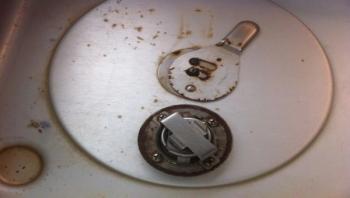
Q: Our facility has been using rigid sterilization containers for some time. We do not have a cart washer or mechanical washer so we wipe them out with a disinfectant wipe. I attended a webinar and was told this is not accepted practice. We have been cleaning the containers this way for years. What is the correct practice?
Advertisement
Advertisement
Trending on Infection Control Today
1
IDWeek 2026: ICU Study Finds Lower Glove Bioburden With PostCare Alcohol Application
2
Nursing Home Roommates and MDRO Carriage: MRSA, ESBL, and VRE Study Findings
3
IDWeek 2026: Hospital Drain Snakes May Harbor Carbapenemase-Producing Organisms
4
Clean Hospitals Day 2026: How to Empower Environmental Services Staff
5