




Sterile Processing
Latest News
Advertisement
CME Content
Advertisement
Biofilms -- formed by bacteria that stick to each other on living tissue and medical instruments, making them harder to remove -- can be tricked into dispersing with the targeted application of nanoparticles and heat, researchers have found. The University of New South Wales study, jointly led by associate professor Cyrille Boyer of the School of Chemical Engineering and deputy director of Australian Centre for NanoMedicine, appears in today's issue of Nature's open access journal Scientific Reports.
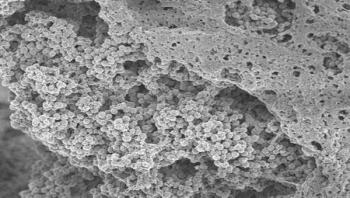
Biofilms frequently coat the surfaces of catheters, and of various medical implants and prostheses, where they can cause life-threatening infections. New research at the Sahlgrenska Academy show that coating implants with a certain "activator" can prevent Staphylococcus aureus, the leading cause of hospital-acquired infections, from forming biofilms.
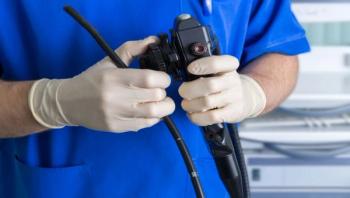
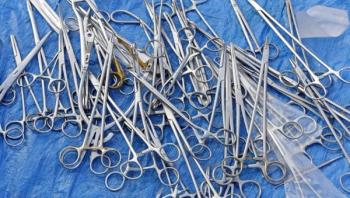
Under perfect circumstances, surgical instruments are carefully handled, transported and cleaned-according to industry best practices and OEM instructions. But in a busy surgery department or facility, the rush of procedures and pressure to turn equipment around quickly can lead to shortcuts that ultimately damage surgical instruments.
Advertisement
Advertisement
Trending on Infection Control Today
1
IDWeek 2026: ICU Study Finds Lower Glove Bioburden With PostCare Alcohol Application
2
Nursing Home Roommates and MDRO Carriage: MRSA, ESBL, and VRE Study Findings
3
IDWeek 2026: Hospital Drain Snakes May Harbor Carbapenemase-Producing Organisms
4
Clean Hospitals Day 2026: How to Empower Environmental Services Staff
5