
News
Advertisement

Advertisement
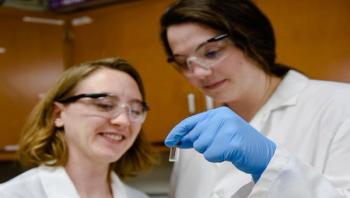
Researchers hope to catch viruses for detection and vaccinations by understanding their sticky outer layers. The complex structures making the surface of a virus are small weaves of proteins that make a big impact on how a virus interacts with cells and its environment. A slight change in protein sequence makes this surface slightly water-repelling, or hydrophobic, causing it to stick to other hydrophobic surfaces. A new paper, published recently in Colloids and Surfaces B: Biointerfaces, details surface hydrophobicity in porcine parovirus (PPV).
Advertisement
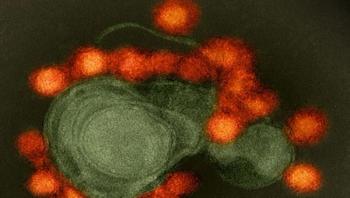

Many international travelers to the 2016 Summer Olympics in Rio De Janeiro, Brazil, openly considered skipping the games to avoid the threat of Zika. Despite the fears, not a single case of Zika or its major neurological complication, microcephaly, was reported by foreign visitors. The near-paranoia -- and the diversion of scarce resources to protect a low-risk population -- could have been avoided by heeding the lessons of previous epidemics, argues a new study from public health researchers at UC Berkeley.
Advertisement
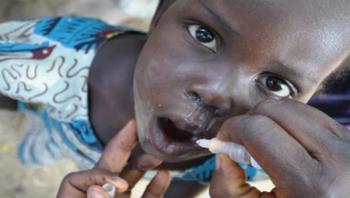
More than 190,000 polio vaccinators in 13 countries across west and central Africa will immunize more than 116 million children over the next week, to tackle the last remaining stronghold of polio on the continent.
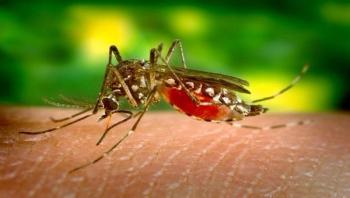
Cross-sectional surveys of mosquito abundance carried out in the subtropics and tropics are meant to give researchers an indication of the risk of a dengue virus outbreak in any given area. This type of entomological monitoring, however, is not a good proxy for dengue risk, researchers report this week in PLOS Neglected Tropical Diseases. Comparison of cross-sectional measures of mosquito density to longitudinal measures demonstrate the limitations of periodic entomological monitoring as households with exposure to Ae. aegypti may be misclassified as unexposed at any single survey visit.

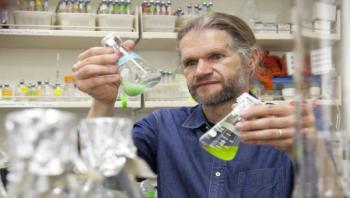
Portland State University researchers have found that only about half the genes in a specific virus affecting single cell organisms is needed to infect a host. This means the virus can undergo major mutations without losing its ability to survive and infect. The research, headed by PSU biology professor Kenneth Stedman, shows how resilient and stable viruses can be. It also gives new insights into the structure of HIV and other viruses, how they are made and the challenges of fighting them.
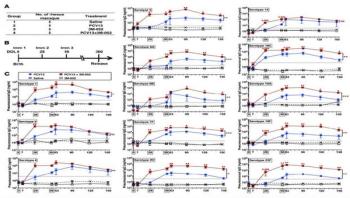
Newborns are highly vulnerable to infections and don't respond optimally to most vaccines because their young immune systems typically mount weak antibody responses. Now, researchers at Boston Children's Hospital report achieving strong vaccine responses in newborn animals, including monkeys -- the final preclinical model before human trials -- by adding compounds known as adjuvants that boost the immune response. In two simultaneous papers, they also describe improved adjuvant formulations that could reduce side effects.
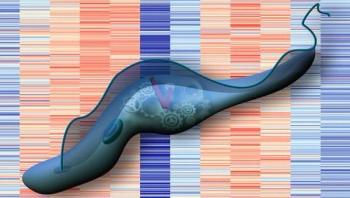
The parasite that causes deadly sleeping sickness has its own biological clock that makes it more vulnerable to medications during the afternoon, according to international research that may help improve treatments for one of Africa's most lethal diseases. The finding from the Peter O'Donnell Jr. Brain Institute could be especially beneficial for patients whose bodies can't handle side effects of toxic treatments used to eradicate the parasite. By knowing the optimal time to administer these medications -- which can be fatal -- doctors hope to reduce the duration and dosage of the treatment and save more lives.
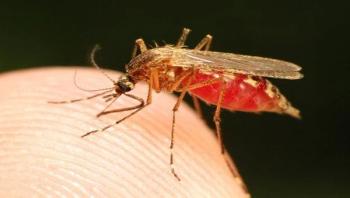
A first-of-its-kind mouse model could lead to an understanding of how cerebral malaria infection leads to the development of epilepsy in children and to the prevention of seizures. The model - a way for researchers to simulate the effects of malaria in children by using mice - was developed in a collaboration between researchers at Penn State’s colleges of medicine, engineering, science and agriculture.
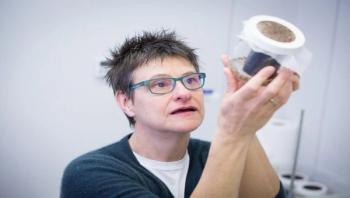
A fungal biopesticide that shows promise for the control of bed bugs is highly effective even against bed-bug populations that are insecticide resistant, according to research conducted by scientists at Penn State and North Carolina State universities. The study suggests that Aprehend, a mycoinsecticide developed at Penn State, likely will provide an important new tool for managing bed-bug infestations, which have surged in recent years.
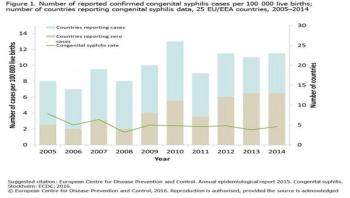
Transmission of infections with HIV, hepatitis B, syphilis or rubella from mother to child before and during birth as well as in infancy still occur across Europe, despite existing prevention methods. A new ECDC report outlines the cornerstones for effective antenatal screening programs across the EU/EEA countries.

This year's state of the industry report for the operating room, with data provided through an online survey of ICT readers who work in surgical services, is designed to offer a snapshot of the key issues and challenges relating to budgets, resourcing and workloads, as well as ongoing shortages in time, personnel and educational opportunities.
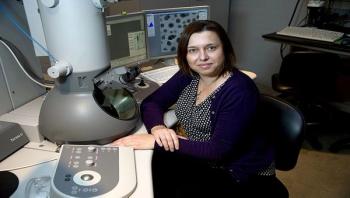
Purdue researchers are developing an integrated biosensing platform aimed at detecting and monitoring mosquito-borne diseases faster and cheaper than current methods, to aid in preventing virus outbreaks and their devastating effects.
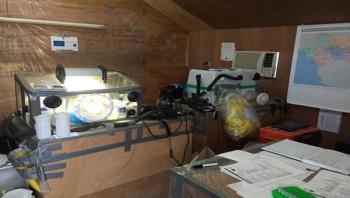
A pilot study of a class of drugs used to treat hepatitis and some forms of multiple sclerosis has been shown for the first time to ease symptoms of Ebola patients, while also increasing their survival.
Advertisement
Advertisement
Trending on Infection Control Today
1
What Is Trichophyton indotineae? Drug-Resistant Ringworm Spreads to 29 Countries
2
What Is Causing the 2026 US Measles Outbreak? Vaccination Rates, Travel, and Immigration Examined
3
Infection Control Today Launches First Digital Magazine for Infection Prevention Professionals
4
ICT Weekly Rounds – September 17, 2026: RIngworm, Measles, Ebola Updates
5