
News
Advertisement
Advertisement
For most invading bacteria, the bladder is not a friendly place. But for those that have figured out how to scavenge iron from their hosts, it’s a fine place to grow and reproduce. And for millions of women a year, that means painful, burning, potentially dangerous urinary tract infections. Now, in an ironic twist, scientists have turned that iron-scavenging power against the most common UTI-causing bacteria.
Advertisement

Advertisement
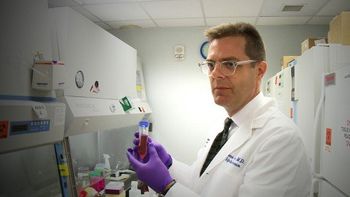
Researchers at Vanderbilt University Medical Center and Washington University School of Medicine in St. Louis, Missouri, have isolated a human monoclonal antibody that in a mouse model “markedly reduced” infection by the Zika virus.
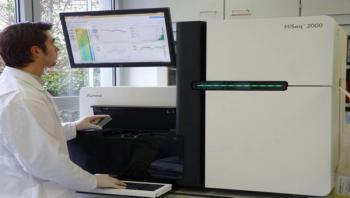
It is estimated that in Germany alone around 150,000 people fall ill with sepsis every year; despite medical advances, between 30 percent and 50 percent of the patients still die of the consequences. One of the reasons for the high mortality rate: the diagnosis often comes too late for the lifesaving therapy with antibiotics that only combat the specific causative pathogen. In general the sepsis pathogens are detected by means of so-called blood cultures in which the pathogenic organism from blood samples of the patients are cultivated in the laboratory. Here, two to five days pass before the pathogens have multiplied and a result is available. Due to rapid progress in nucleic acid analysis, the currently available high-throughput technologies (Next-Generation Sequencing) make it possible to sequence the complete genome of organisms within just a few hours and to check them against known gene sequences.

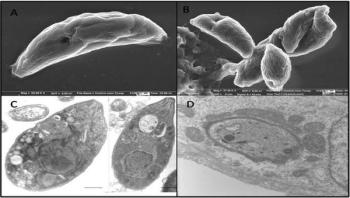
Scientists from the universities of Granada (UGR) and Valencia (UV) have developed a new molecular method for determining the presence of the parasite Toxoplasma gondii, which causes toxoplasmosis, in samples of ham.
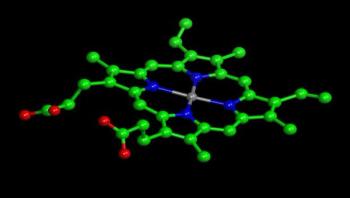
Research co-led by bioscientists at the University of Kent provides a molecular explanation for how the bacterium behind the super bug MRSA produces a red pigment that is crucial for its rapid growth.

The discovery of penicillin and subsequent generations of antibiotics has been heralded as one of the biggest medical discoveries in history. Yet shortly after his discovery of penicillin in 1928, Fleming warned of the dangers of resistance. This fear has since been proven to be accurate. Within a few years of the introduction of each new class of antibiotics, resistance was detected, helping drive the need for development of the next blockbuster antibiotic.

With flu season around the corner and the latest Hospital Consumer Assessment of Healthcare Providers and Systems (HCAHPS) deadline just passed, now seems the ideal time to explore the issue of cleanliness, the topic of Question 8 of that quarterly survey. Almost every aspect of the healthcare environment involves decontamination. After all, a hospital is the last place where germs should flourish and spread. And these days, with the HCAHPS reporting mandate in place, the subject of cleanliness – and the poll’s other questions as well – has become even more important. Patients’ responses to HCAHPS influence a hospital’s reputation and finances. Therefore, as fall and winter bring bouts of flu cases and facilities aim to stay at the top of their survey scores, some pointers on cleanliness principles and procedures may be what the doctor ordered.
Advertisement
Advertisement
Trending on Infection Control Today
1
What Is Trichophyton indotineae? Drug-Resistant Ringworm Spreads to 29 Countries
2
Infection Control Today Launches First Digital Magazine for Infection Prevention Professionals
3
What Is Causing the 2026 US Measles Outbreak? Vaccination Rates, Travel, and Immigration Examined
4
ICT Weekly Rounds – September 17, 2026: RIngworm, Measles, Ebola Updates
5