
News
Advertisement
Advertisement


Advertisement
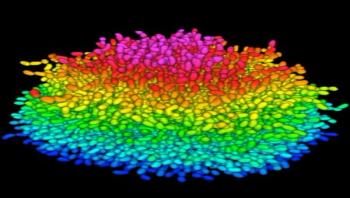
Princeton researchers have for the first time revealed the mechanics of how bacteria build up slimy masses, called biofilms, cell by cell. When encased in biofilms in the human body, bacteria are a thousand times less susceptible to antibiotics, making certain infections, such as pneumonia, difficult to treat and potentially lethal.
Advertisement
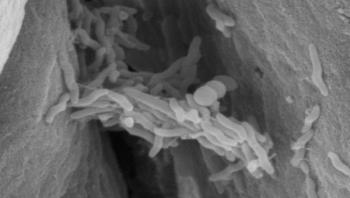
A team at Griffith's Institute for Glycomics identified a unique sensory structure that is able to bind host-specific sugar and is present on particularly virulent strains of Campylobacter jejuni.
The Clemson family has gained a new namesake: Legionella clemsonensis, a novel strain of the Legionella bacteria, the most common cause of waterborne bacterial outbreaks in the United States.


Advertisement
Advertisement
Trending on Infection Control Today
1
TMVII Sexually Transmitted Ringworm: Symptoms, Diagnosis, Treatment, and Prevention
2
From Stockpile to Patient: Preparing Vaccine Delivery Before an Outbreak
3
The Next Generation of SPD Leadership: Human Plus Machine
4
Beyond the Badge: How Hand Hygiene Technology Supports Safer Patients and Stronger Care Teams
5