
News
Advertisement
Advertisement
Advertisement
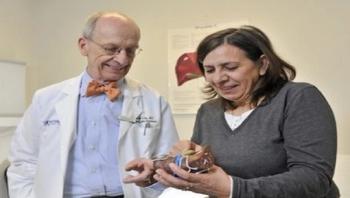
Patrizia Cazzaniga had heard the horror stories about early treatments for hepatitis C – multiple daily pills and weekly shots for up to a year, side effects that could be debilitating, and a cure rate of only about 40 percent. But after a shorter and less intensive treatment with experimental drugs at UT Southwestern Medical Center that ended in October, Cazzaniga is now virus-free three months past treatment. She’s thrilled.
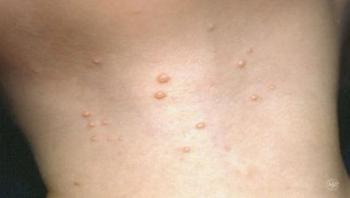
Although many athletes understand the importance of keeping their muscles and bones healthy, it’s also important for them to take care of their skin. Sports equipment, especially protective helmets and pads, creates a warm, moist and dark environment for the germs that can cause skin infections to grow.
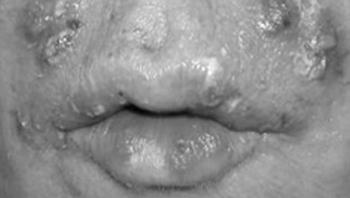
Many people have "fillers" injected into their facial tissue to give them "bee-stung lips" or to smooth out their wrinkles. Unfortunately, a lot of cosmetic treatment customers experience unpleasant side effects in the form of tender subcutaneous lumps that are difficult to treat and which -- in isolated cases -- have led to lesions that simply will not heal. Research recently published by the University of Copenhagen now supports that, despite the highest levels of hygiene, this unwanted side effect is caused by bacterial infection.

Smartphones are capable of giving us directions when we're lost, sending photos and videos to our friends in mere seconds, and even helping us find the best burger joint in a three-mile radius. But University of Houston researchers are using smartphones for another very important function: diagnosing diseases in real time. The researchers are developing a disease diagnostic system that offers results that could be read using only a smartphone and a $20 lens attachment.
Advertisement
Advertisement
Trending on Infection Control Today
1
What Is Trichophyton indotineae? Drug-Resistant Ringworm Spreads to 29 Countries
2
Infection Control Today Launches First Digital Magazine for Infection Prevention Professionals
3
ICT Weekly Rounds – September 17, 2026: RIngworm, Measles, Ebola Updates
4
National EVS Week 2026: Why Environmental Services Is Essential to Infection Prevention and Patient Safety
5