



Environmental Services
Latest News

Advertisement
Advertisement


Most business and leisure travelers in the United States can't identify a bed bug, and yet the tiny pest evokes a stronger response in hotel guests than any other potential room deficiency--putting the hospitality industry in a difficult spot. In a survey of U.S. travelers conducted by researchers at the University of Kentucky, 60 percent said they would switch hotels if they found evidence of bed bugs in a guest room. Meanwhile, no more than a quarter said they would switch hotels for factors such as signs of smoking or dirty towels or linens. In the same survey, however, just 35 percent of business travelers and 28 percent of leisure travelers correctly identified a bed bug in a lineup of other common insects. The results of the research are soon to be published in American Entomologist, the quarterly magazine of the Entomological Society of America.
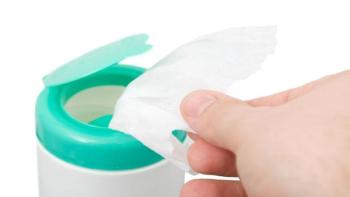
In healthcare facilities, Clostridium difficile infections spread by transmission of bacterial spores. Appropriate sporicidal disinfectants are needed to prevent development of clusters and outbreaks. In this study by Kenters, et al. (2017), different cleaning/disinfecting wipes and sprays were tested for their efficacy against spores of distinctive C. difficile PCR ribotypes.
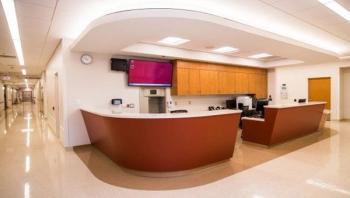
A 12-month study mapping bacterial diversity within a hospital - with a focus on the flow of microbes between patients, staff and surfaces - should help hospitals worldwide better understand how to encourage beneficial microbial interactions and decrease potentially harmful contact.


A fungal biopesticide that shows promise for the control of bed bugs is highly effective even against bed-bug populations that are insecticide resistant, according to research conducted by scientists at Penn State and North Carolina State universities. The study suggests that Aprehend, a mycoinsecticide developed at Penn State, likely will provide an important new tool for managing bed-bug infestations, which have surged in recent years.
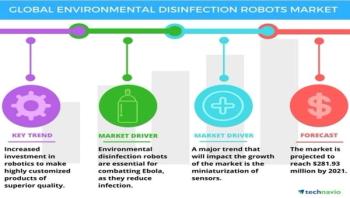

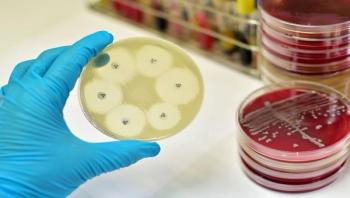
More than 1 million healthcare associated infections (HAIs) occur within the U.S. healthcare system every year. According to a study per-formed by the Centers for Disease Control and Prevention (CDC), approximately 1 of every 25 hospitalized patients in the U.S. develop an HAI, meaning that nearly 650,000 patients contract one of these infections annually. These infections can lead to serious illness and result in the loss of thousands of lives each year. In addition they impose a tremendous financial burden, estimated to be more than a billion dollars annually in the U.S.
Advertisement
Advertisement
Trending on Infection Control Today
1
UPMC’s Genomic Surveillance Award Opens the Door to Funding Conversations
2
Proposed AHRQ Cut Raises Questions About Infection Prevention Research and Support
3
Measles Took 5 Children in 8 Days. A Century Later, Their Story Still Matters
4
How Purposeful Infection Prevention Rounding Supports Patient Safety and EVS Collaboration
5